
Steel Plant Studios Renovation & Addition
Rings Overlay Rings Overlay
Scroll

Transforming Industrial Legacy: Revitalizing Steel Plant Studios into Cutting-Edge Fine Arts and Fashion Hub

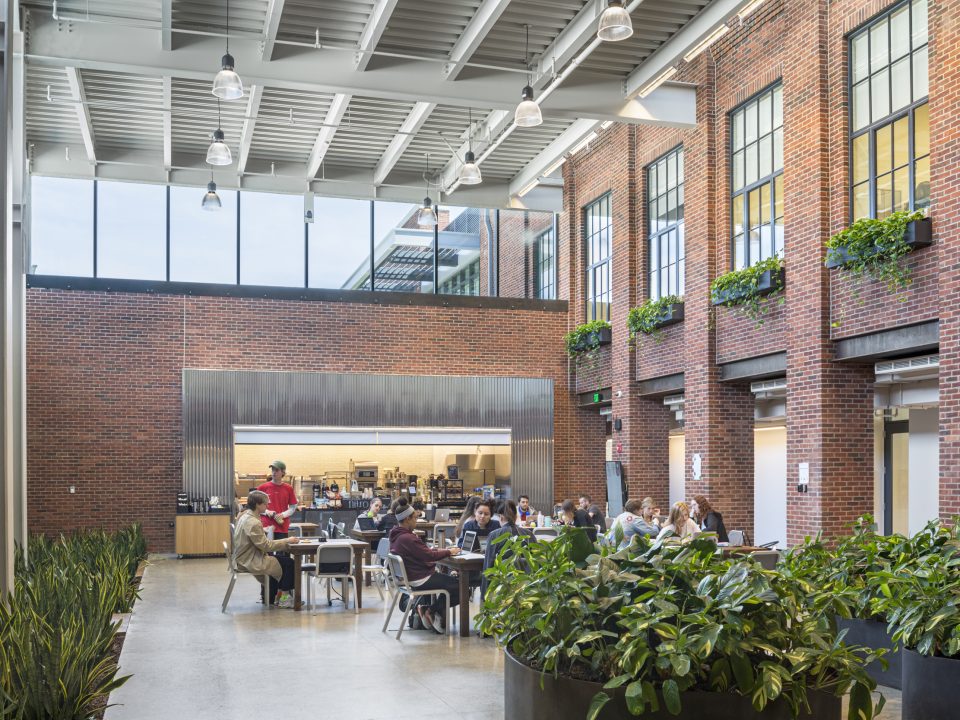
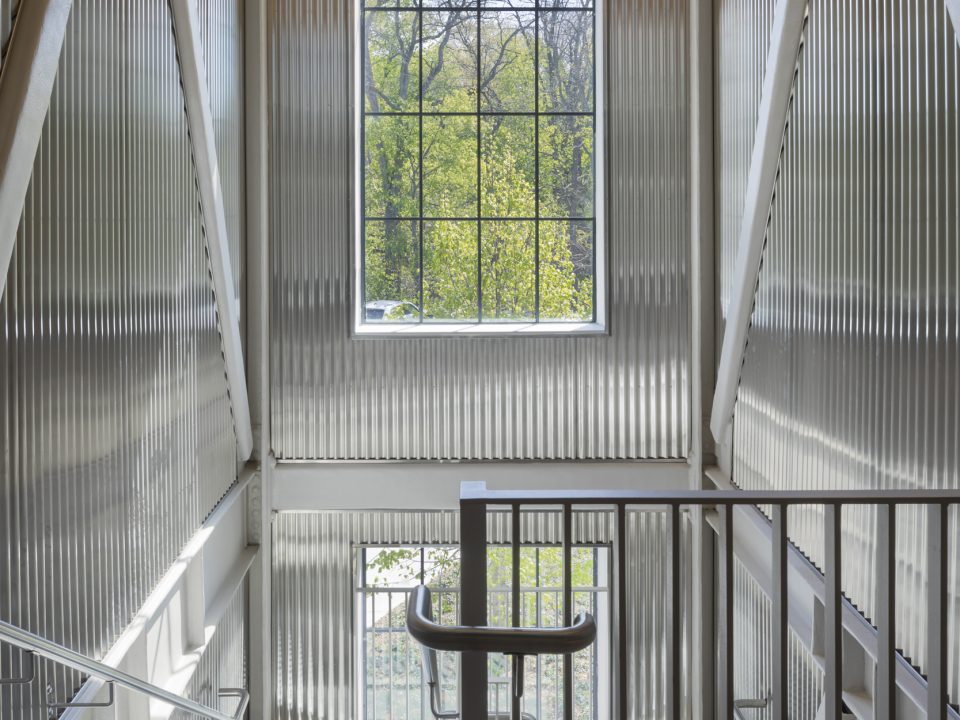
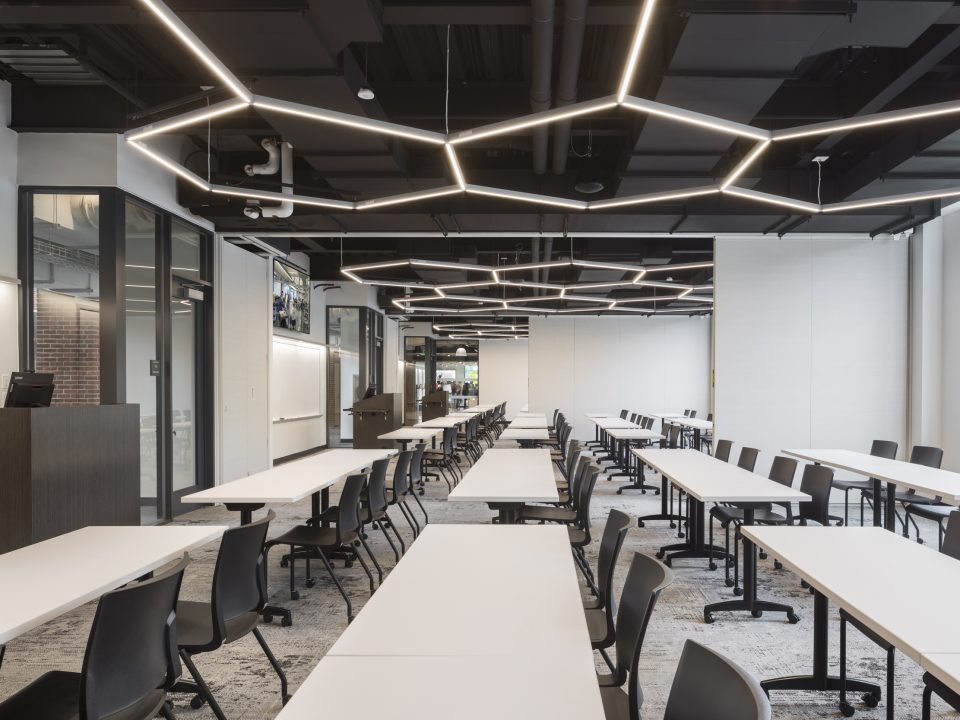
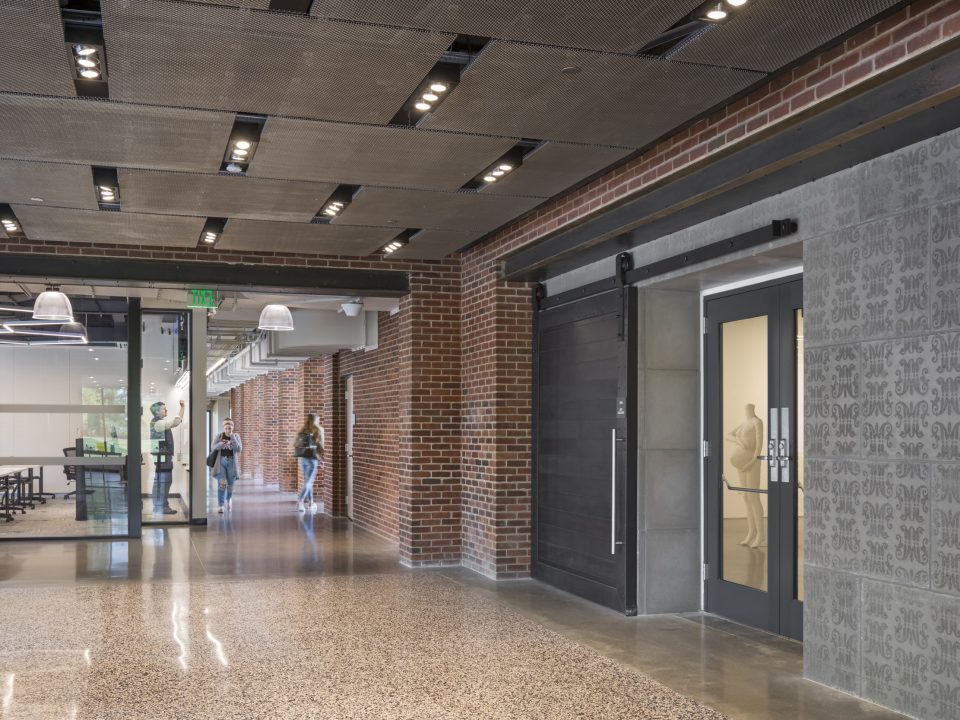
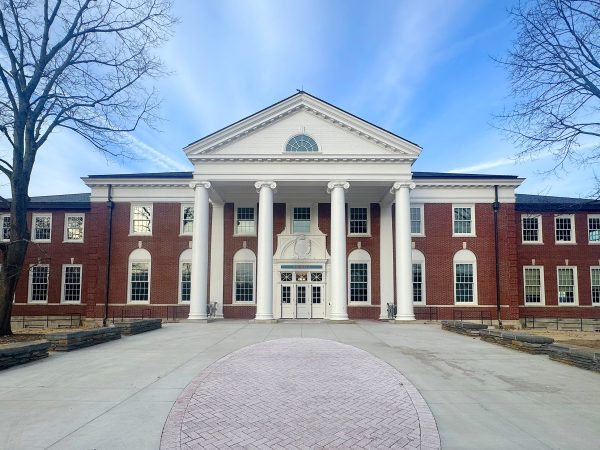
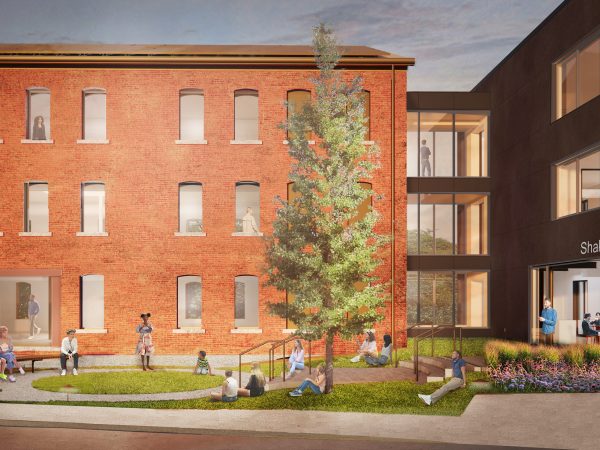
DOC served as construction manager for the expansion and renovation of the Steel Plant Studios, a former industrial building with brick masonry walls, concrete floors and exposed 15-foot ceilings. Prior to the project, the building housed Marist’s Art Gallery and a number of art studios. The project included new construction of a 34,000-square-foot addition and renovation of 13,500 square feet of existing space to house the Fine Arts and Fashion programs, including digital labs, maker space, studios and faculty offices.

Renovation work included selective demolition and structural work in the existing space along with interior and exterior masonry restoration. All windows were replaced with Hopes steel windows. All sills were replaced with precast. Adding to the complexity, the existing space was comprised of several different additions utilizing different materials such as brick and CMU for wall and various framing types.

Given its original use as a steel plant, it appears that as the plant grew, whatever steel was being produced at the time was used for construction of the joist system. Temporary shoring was installed for the removal of bearing walls and addition of steel support. Existing walls and joists were reinforced. Some were beyond repair and were removed and reconstructed. The roof support system was comprised of a mix of wood and steel. The roof was removed and replaced as part of the project.

Project Highlights
  • Project site was located in an active part of campus, in close proximity to the main campus walkway, student residences, and parking areas. All phasing and sequencing of the work was coordinated with Marist College’s Facilities Department to ensure daily campus activities were not impacted.
Jeremy Smith

Project Contact

Dave E. and Stacey L. Goel Center for Theater & Dance
Rings Overlay Rings Overlay
Scroll

Artistry and Innovation Converge in Cutting-Edge Arts Center, Elevating Performance and Connectivity

The new Dave E. and Stacey L. Goel Center for Theater & Dance building is five levels and approximately 63,000 square feet. It houses end-stage and apron theaters, a theater rehearsal room, scene shop, dressing, costume, green room, drama program spaces, classrooms, offices, mechanical and storage.

For this theater building, the performance spaces and the support spaces, such as the dressing rooms, green room, and set design spaces, were required to be networked together so that constant communication could be achieved which also included wireless support.

Each theater space also had a control room which gave the theater crew control of the communication, lighting control and Audio/Visual systems. General lighting could be controlled via an iPad. In addition, each space had its own climate control with carbon monoxide detection which was tied into the fire alarm system.

The early foundation phase 1 work included the installation of H Piles, Pile caps and grade beams and preparation of the site for construction.

Project Highlights
  • Low-VOC adhesives, sealants, paints, coatings, and flooring systems were used throughout construction. Attention was paid to sourcing regional and recycled materials as well as certified wood products.
  • The building relies on a geothermal field of (60) 500 ft. Ground Source Heat Pumps (geothermal) wells with closed loop 1-1/4” HDPE for heating and cooling. The geothermal field was installed 5 feet below an existing baseball field. The system includes a geothermal condenser water system to feed (4) Valent air handlers with DX coils and (6) LG water sourced heat pumps that serve an LG VRF system with several fan coil units, ducted and cassettes, for air distribution.
Blackstone Gateway Visitor Center and Pedestrian Bridge
Rings Overlay Rings Overlay
Scroll

Connecting Heritage and Community: Innovative Multi-Use Facility Bridges History and Ecology

DOC worked with MassDOT on the construction of a new multi-use facility that houses the Blackstone Heritage Corridor Visitor Center and the Department of Conservation and Recreation (DCR) Region Headquarters. The 11,000-square-foot facility has a visitor’s welcome area, as well as exhibition, instructional and presentation space.

Throughout, the building and site incorporate a wide range of materials recycled and reclaimed from other deconstructed mill buildings in the area, including the timber flooring and exterior bricks.

A key feature of the project is the new historic truss style pedestrian bridge, connecting the new Visitor Center to the Blackstone Bike Path.

Located on a 4.5-acre site, the landscape design focused creating a more integrated visitor experience. This allows a larger and more diverse set of public programs, community events and special happenings to take place.

A large, grassy lawn contains a support station for bicyclists and the new pedestrian bridge over the Blackstone River invites visitors to engage with the river and the associated ecology. The large lawn also caps the contaminated soils below allowing for safe public use of the area. With its location at a major entry point to the city, the visitor center has become a gateway and source of pride for local residents.

Project Highlights
  • The building and site incorporate a wide range of materials recycled and reclaimed from other deconstructed mill buildings in the area, including the timber flooring and exterior bricks.
Hood Museum Renovation & Addition
Rings Overlay Rings Overlay
Scroll

A Fusion of Modern Design and Unique Materials, Museum’s Expansion and Renovation Connects Culture and Community through Creativity

The project involved the renovation and expansion of the existing museum to create a new 62,400-square-foot space. The finished project included expanded gallery space, acclimatized art storage, support spaces for woodshops, exhibitions, improved visitor amenities, upgraded collection storage and curatorial spaces, three classrooms in the new learning center, and new offices for the museum staff on the third level. The museum is connected to the Hopkins Center for the Arts via a new expansive lobby space.

The existing building was renovated to address longstanding issues with the envelope and provide new updated finishes, while maintaining important elements of the original design.

The unique design called for many custom materials. These included Danish bricks, custom ceramic bathroom tiles, natural stone flooring from Italy and China, and exterior paving stones from China. Finish materials also included large (14-foot high) hollow metal and wood doors with pivoting and offset pivoting hinges. In addition, large sliding artwall doors, pocket doors and a custom metallic reveal base throughout the museum were also among the notable finish materials.

The project site was surrounded by active buildings and facilities—the Hopkins Center to the west, Wilson Hall and East Wheelock Street to the north, Hampshire Residence Hall, the Heating Plant and loading dock to the east and the Black Family Visual Arts Center to the south.

Project Highlights
  • Logistically complex, heart of campus project site
  • Extensive use of BIM throughout the project
  • Detailed planning and coordination with all the impacted stakeholders to achieve the required phasing and sequencing for demolition, excavation for the new addition, utility enabling and upgrades, and new construction work
  • Close management of material deliveries given the limited laydown and storage space
  • Most of the museum’s approximately 65,000 piece collection was relocated to offsite storage before the project’s commencement, except the its Assyrian Reliefs (dating back to 883-859 BCE) which remained in place on a gallery wall throughout the renovation
  • The project was executed under, around, behind, and over the priceless collection of stone reliefs
Smith Field House Addition
Rings Overlay Rings Overlay
Scroll

Field House Addition Transforms Campus Hub Creating Versatile Athletic Spaces, Stunning Architecture, and Geothermal Innovations to Elevate Campus Athletics

DOC served as the Construction Manager for the Smith Field House addition to the Carleton Athletic Center.

The new Smith Field House, now the largest building on campus, provides a versatile indoor athletic space for sports practices including basketball, baseball, lacrosse and more. The facility also provides a centralized common space at both the ground level and mezzanine level that links all areas of both new and existing facilities.

The 22,000-square-foot building features 95-foot long, curved steel and pine timber roof trusses, and has large clerestory windows that create a light-filled space. A geothermal heat pump system is used for space heating and cooling —ground source heat pumps were tied into the well field which consisted of 40 wells at 495 ft. with closed loop 2-1/2” HDPE.

The new field house addition was constructed while maintaining access to the fully occupied Carleton Center. Winter sporting events maintained a full schedule for hockey, wrestling, and squash concurrent with the work.

Additional upgrades included the renovation of the 1957 Hubbard Basketball Gymnasium with two full basketball courts and upper-level spectator seating, a half court with workout space, an Alumni and Athletic Hall of Fame Room, new coaches’ locker rooms, an exterior terrace, and multi-purpose meeting rooms.

Project Highlights
  • DOC provided preconstruction and construction management services.
  • Addition built while maintaining access to the fully occupied Carleton Center.
  • BIM was utilized on this project. We modeled the trusses and all of the gym equipment, along with the HVAC, Fire Protection and Electrical trades in the gym area to make sure everything was coordinated prior to installation.
  • Project success attributed to a high level of coordination and team collaboration.
Hanscom Field Runway 11-29 Rehabilitation
Rings Overlay Rings Overlay
Scroll

Successful Completion of Runway Rehabilitation Project within 30 Days

DOC was the general contractor for this $11 million Chp. 149 rehabilitation project. It provided improvements to the runway, which is 7000 feet long x 200 feet wide with an additional 2000 feet long x 200 feet wide end areas. Work included milling of existing asphalt pavement, rubblizing the concrete base under the asphalt pavement and placing new asphalt pavement for the entire length of the runway. DOC met the project’s aggressive schedule, completing the project during a 30-day closure of the runway.

Union Station Regional Intermodal Transportation Center
Rings Overlay Rings Overlay
Scroll

From Vacant Rail Terminal to Modern Transportation Hub, Marrying History and Functionality with Restoration and Innovation

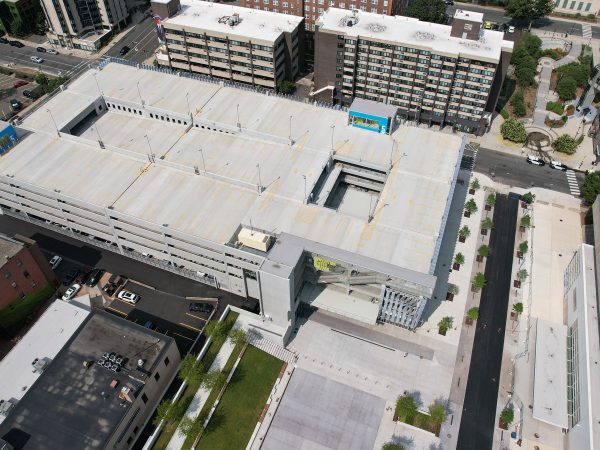
This public CM-at-Risk redevelopment project included the transformation of Union Station, a historic vacant rail terminal, into a modern transportation facility with a restored 120,250 sf of main terminal area and a 24-bay bus terminal with a 377-space parking structure.

Many of the historic items within the building were saved and restored including the original terrazzo floor, a striking 54” wide clock with bronze hands, and marble accents throughout. The building’s new interior showcases Springfield’s history with original artifacts and new murals depicting rail history.

Office space was created for public transit agencies along with a daycare center to serve the downtown area. The ADA-accessible facility also has provision for future development and expansion for transit-related needs and more.

Enabling for the project included the demolition of the 93,000 sf Baggage Building and a 70,000 sf cast-in-place parking structure. Prior to dismantling the Baggage Building and parking structure, we performed the abatement of all hazardous materials including asbestos, elevator fluids, petroleum-contaminated concrete, lead-based paint, oil residue in the elevator shafts and transformer room, and removed existing underground oil tanks.

Project Highlights
  • Project delivered Public CM-at-Risk with GMP (Chp. 149-A).
  • Logistically complex site located in a dense urban area, bordered by heavily traveled sidewalks and roadways.
  • Successful collaboration with the City of Springfield, MA and local agencies.
  • Significant ground improvement measures were required.
  • Completed abatement of all hazardous materials.
  • Our team used laser scanning in conjunction with BIM to develop accurate models of the as-built condition. This enabled them to fully coordinate the new MEP and finish systems with existing conditions.
South College Academic Facility, University of Massachusetts–Amherst
Rings Overlay Rings Overlay
Scroll

Modernizing Education: Historic academic building undergoes renovation & expansion to enhance learning capabilities

Originally built in 1885, the historic 30,000-square-foot South College building was completely renovated to accommodate the College of Humanities and Fine Arts. Renovation work included selective demolition and major structural rework was performed throughout the existing space, including underpinning of existing foundations, and shoring of existing bearing walls that could not be demolished until the new structure was in place. DOC collaborated closely with the structural engineer to bring the existing wood framing up to current codes. All new MEP systems had to be coordinated to fit the existing shell.

A new four-story, 65,000 sf addition was connected to the existing building by a series of sky-lit common areas. The addition comprised common areas, faculty offices, classrooms and auditoria. The new addition, complementing the original building, has its own foundation system along with a new loading dock linked via a below-grade corridor to an existing tunnel servicing the DuBois Library with the relocation of 300 feet of steam line. Continuous service access needed to be maintained to the library during construction as part of this project.

The project also included interior and exterior masonry restoration to address issues like crumbling interior walls. DOC worked with the design team to survey the interior to determine whether to completely remove, replace, patch, or repoint the bricks.

In addition, DOC replaced the old tower from 1885 with an entirely new one made of wood and steel. The wood framing was ingeniously created by team DOC.

Project Highlights
  • DOC provided Preconstruction and Construction Services.
  • Program spaces: common areas, faculty offices, classrooms, auditoria
  • The project team used BIM to coordinate all MEP and architectural systems with BIM 360 Glue to provide updates to the design team. In addition, our field managers used BIM 360 Glue to aid in field coordination with the subcontractors.
  • Directional drilling was used to install new sewer line 18’ below grade without disturbing existing road and utilities; shoring of existing load bearing walls/floors to allow demolition and rework to occur.
  • The project required support of excavation requirements to work around existing utilities and trees.
Integrated Science Commons
Rings Overlay Rings Overlay
Scroll

Bridging a gap and integrating the sciences while supporting budding young scientists with teaching and research spaces in a sustainable, living laboratory

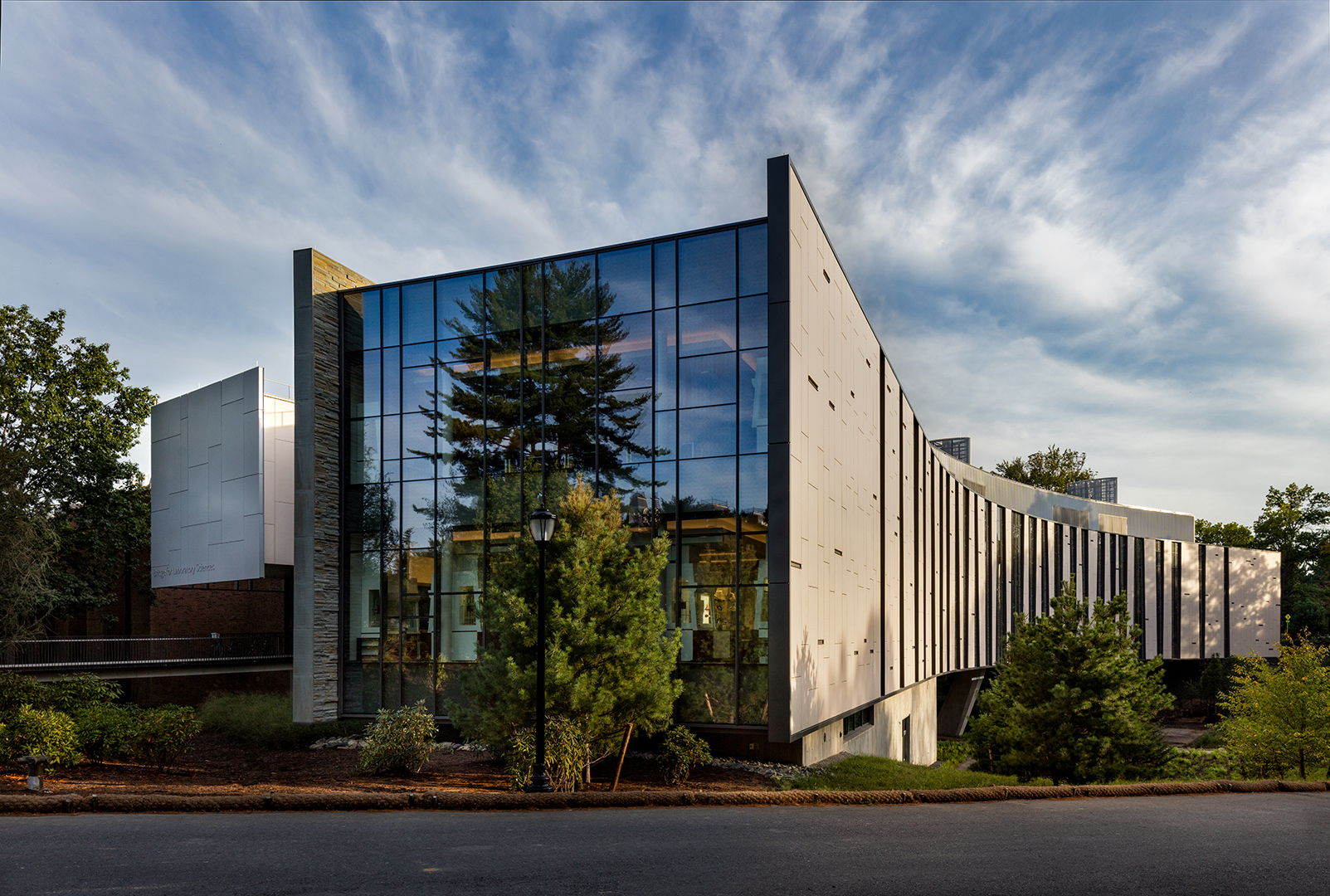
DOC provided construction management services for the Integrated Science project at Vassar College. The centerpiece of the $101 million project is the 80,000-square-foot Bridge Building that spans two pieces of campus terrain across the Fonteyn Kill and connects to Olmsted Hall with a two-level skywalk.

The Bridge Building houses biochemistry, chemistry, environmental science, a science visualization lab, a phytotron and herbarium. The facility features modern labs, faculty office suites, flexible classrooms, gathering places, and an outdoor seating area.

The project also included 76,000 square feet of extensive renovations to three existing buildings—New England Building, Sanders Physics building, a partial renovation of Olmsted Hall—and the demolition of the Seely G. Mudd Chemistry Building.

New England Building: Extensive renovation of 22,000 square feet of research labs for ‘dry’ psychology research.

Olmsted Hall: Included 26,000-square-foot renovation of space that housed biology, psychology, neuroscience and behavior, animal behavior and physiology suite, electrophysiology suite, vivarium, and a human data acquisition suite.

Sanders Physics: Extensive 28,000-square-foot renovation of space that housed computer science, physics and astronomy, computer labs, physics research, and collaborative learning labs.

Seely. G. Mudd Chemistry Building: Demolition of 50,000 square feet of research laboratories and classrooms.

Project Highlights
  • New construction, including a 80,000 sf science building.
  • Extensive sitework was required while working within the 5 acre maximum disturbance area requirements.
  • Logistical considerations for an active campus setting (parking, increased traffic for material deliveries and pedestrian routes).
  • BIM was utilized extensively for this project.
  • The Bridge Building is registered with the certification goal of LEED® Silver. The New England Building and the Sanders Physics Building are both LEED® Certified.
Greenway Residence Halls
Rings Overlay Rings Overlay
Scroll

Collaborative Approach Shapes Innovative Multi-Building Housing Complex with Sustainable Features and Technological Precision

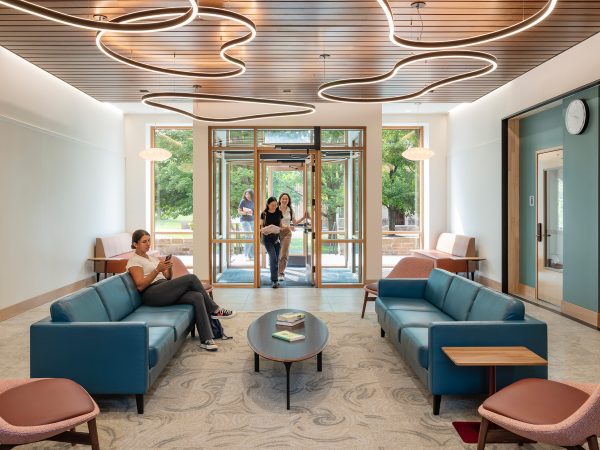
DOC constructed new undergraduate housing with 296 beds distributed across a range of configurations, including singles, doubles, and 4-person suites. Complying with the smaller scale of the College’s residential buildings, the project was broken down into four sections, with a total area of 110,000 square feet. Bridges that also serve as lounges and common areas connect the residence halls.

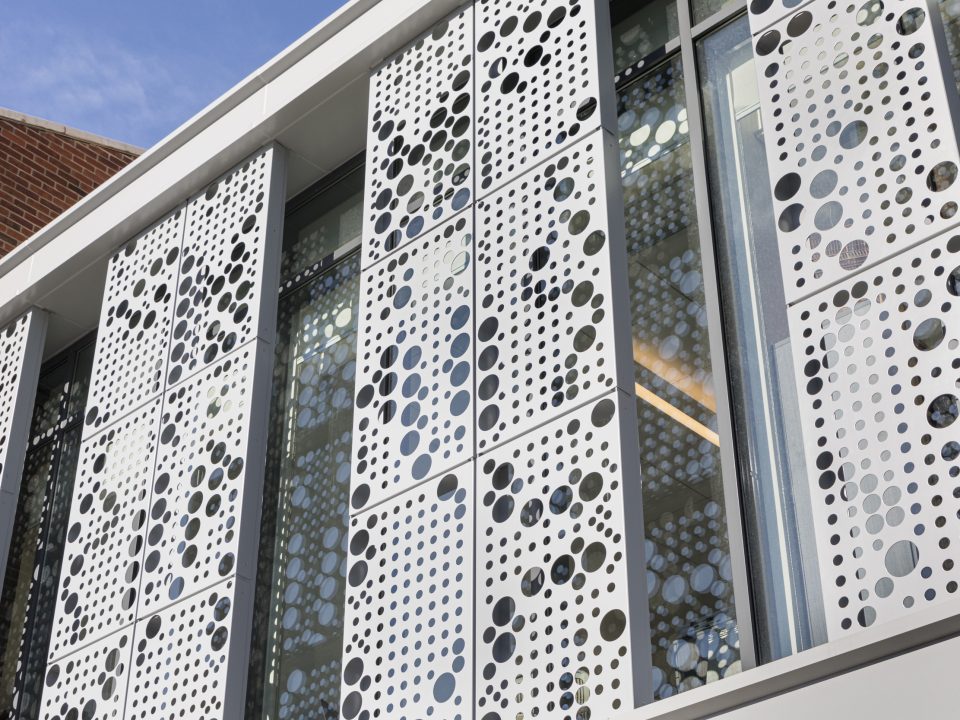
The buildings, with a cast-in-place concrete flat slab structure, range in height from 4 to 6 stories, with a typical floor-to-floor height of 9 feet. The primarily brick exterior is perfectly complemented by punched window openings on upper floors, a cast stone wall panel base on the lower floors, elevations of perforated stainless steel metal panels each with uniquely colored cassettes, and glass curtain walls at entrances, community spaces, and lounges.

The scope of work also included an event space with motorized bleachers, audio-visual equipment, and theatrical lighting. DOC’s team worked with the designers to ensure that the unique code requirements of that size and type of space were met, and that the space functions as intended for the end users.

Another notable feature is a commercial demonstration kitchen connected to the event space. The kitchen can be used for full-fledged cooking and catering, supported by the event space and nearby courtyard patio on special occasions.

This project required reconfiguration of the utility infrastructure involving re-routing of water, sewer, high voltage electric, steam, and chilled water lines to support the new dormitory complex. The enabling phase was completed in just over two months.

Project Highlights
  • DOC provided preconstruction and construction services
  • A logistically complex project site in the heart of the campus
  • Extensive use of BIM throughout the project
  • The success of this project is attributed to a high level of coordination and team collaboration
  • Sustainable measures included fixed solar shades, abundant daylighting and controls, high-performance envelope, radiant slabs, natural ventilation, rainwater harvesting, and heat recovery systems
  • Early Bid Packages: The DOC team worked closely with the design team to coordinate MEP systems with the cast-in-place frame. Coordination meetings were held weekly with MEP subcontractors and MEP designers collaborating in the BIM model.