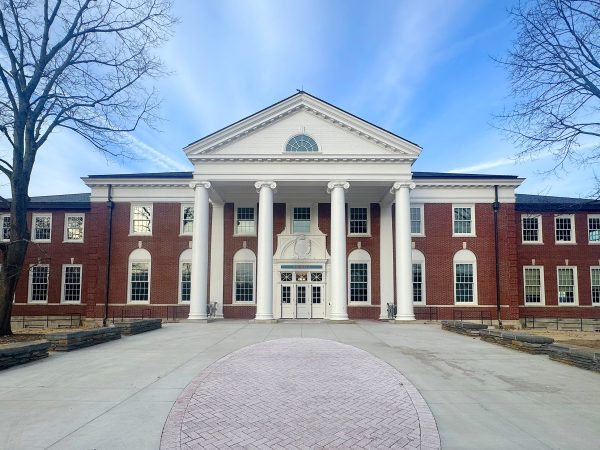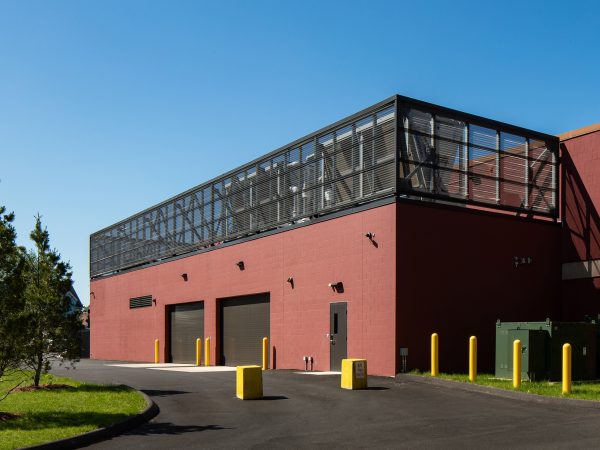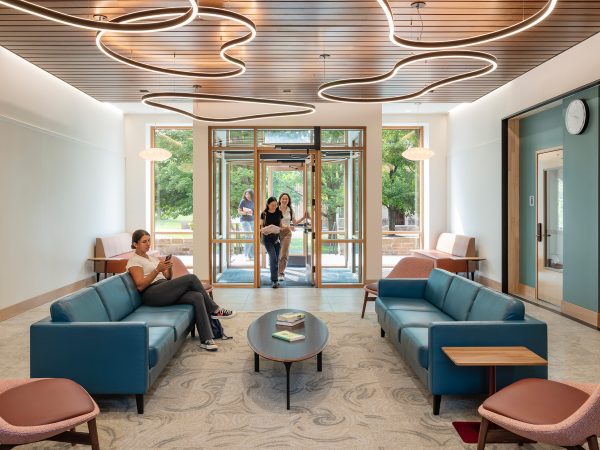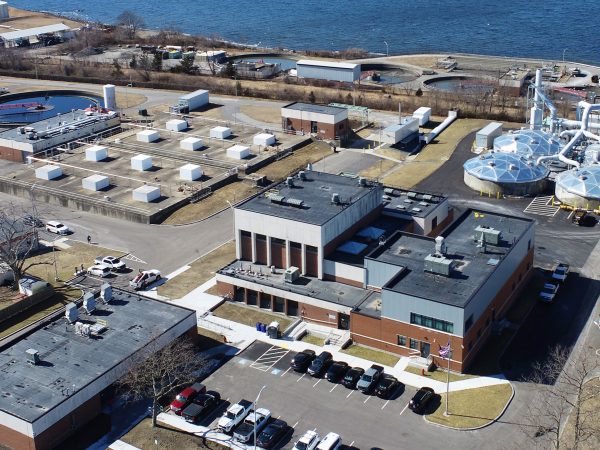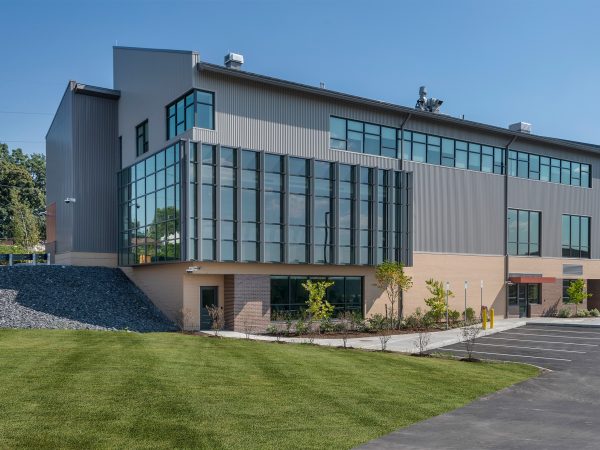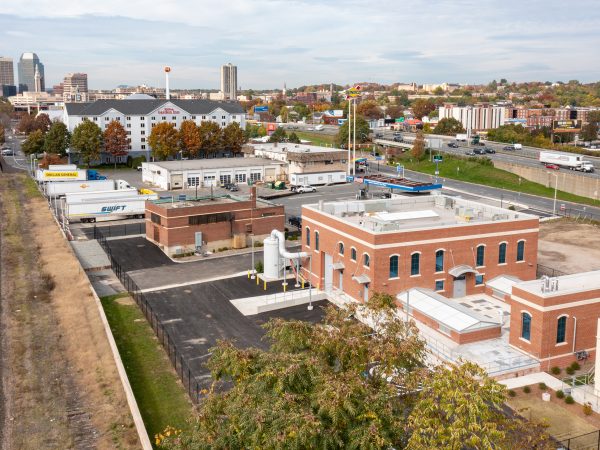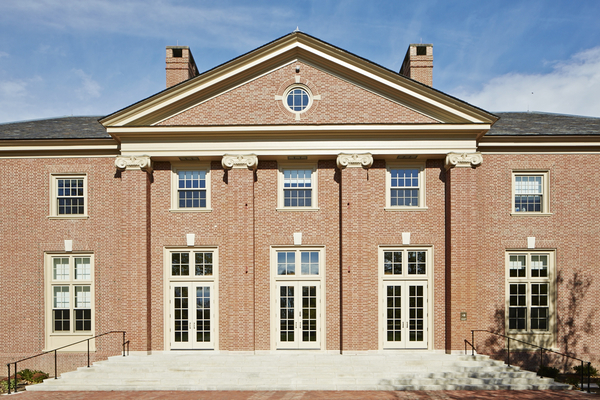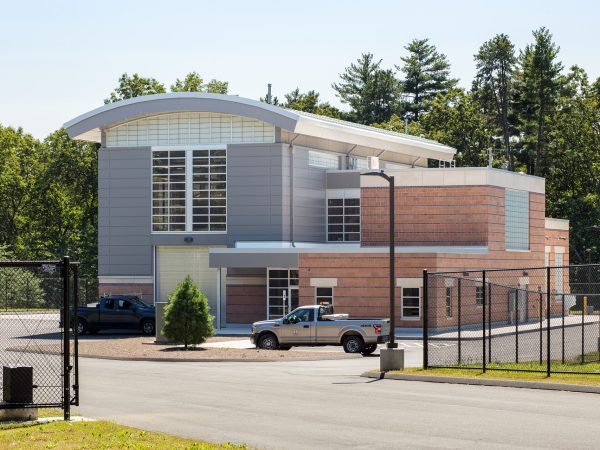

Sophia Gordon Center for Creative and Performing Arts, Salem State University
Rings Overlay Rings Overlay
Scroll

Dynamic Arts Renovation Project Transforms Theater Hub, Enriching Performances, Connectivity, and Community in Vibrant Urban Landscape

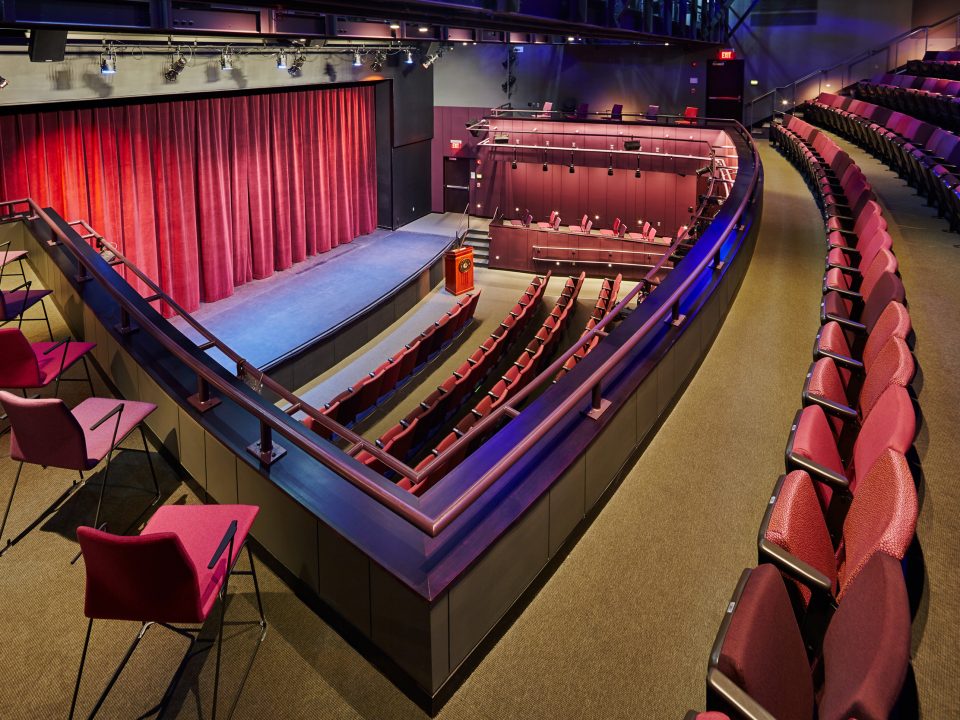
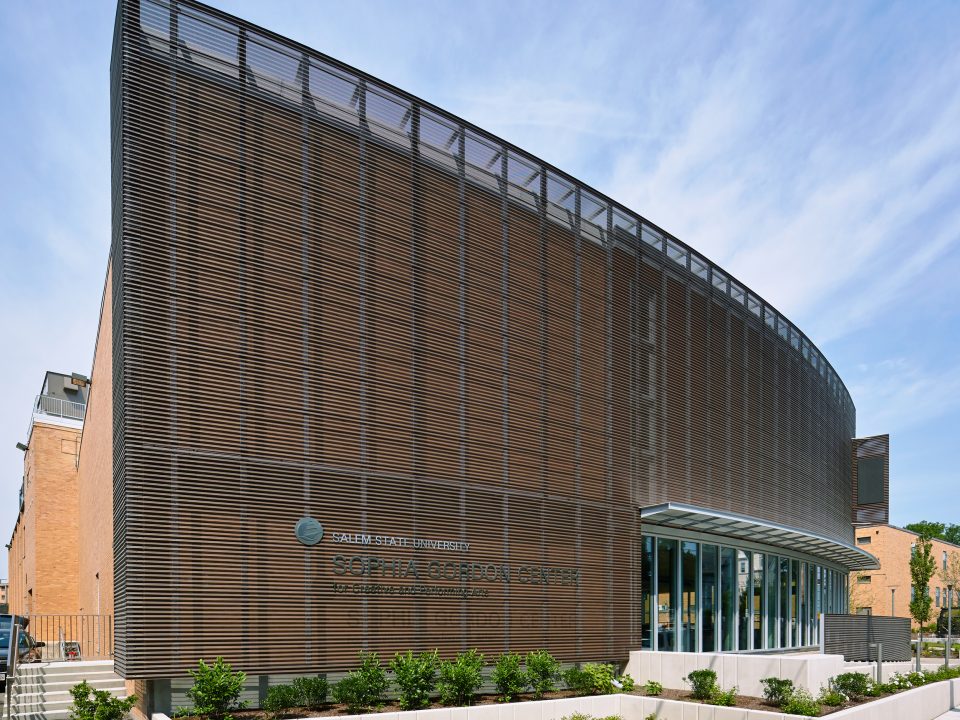
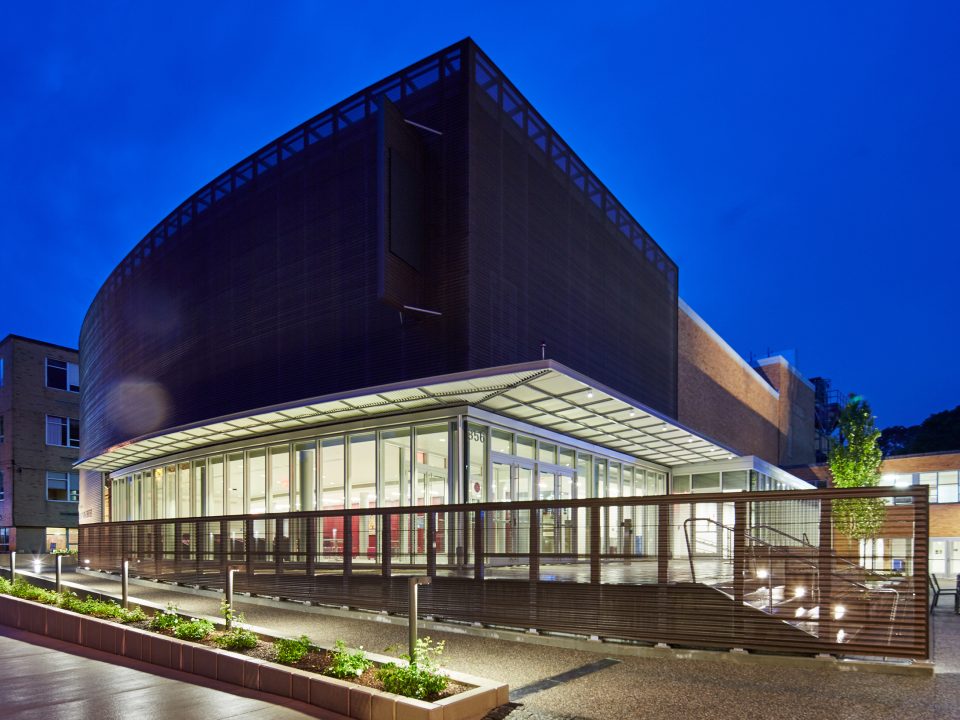
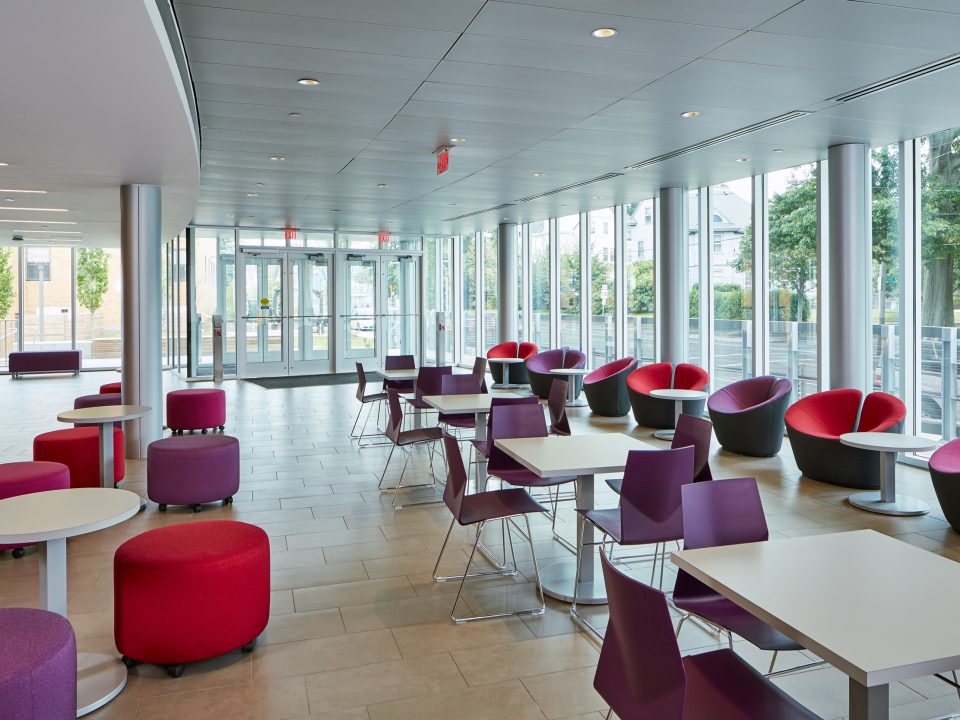
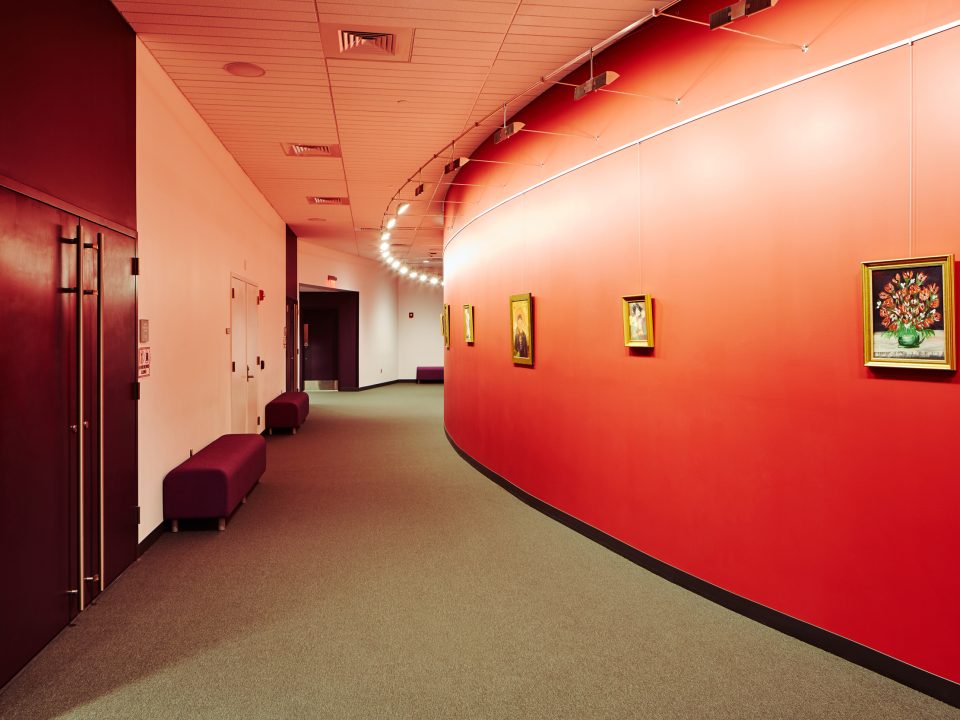
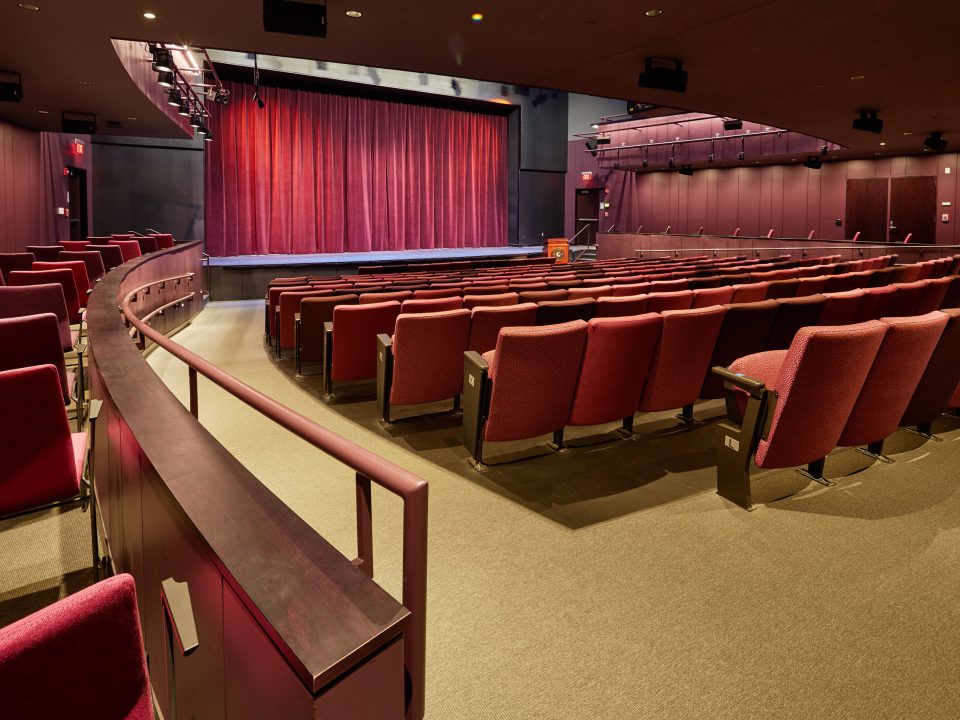
Located in a densely populated urban residential neighborhood, this project was the renovation of the mainstage theater with a 490-seat audience chamber, stage improvements, scene shop improvements, additional space for rehearsals, a lobby/student lounge, art gallery space, and a 35-person conference room.

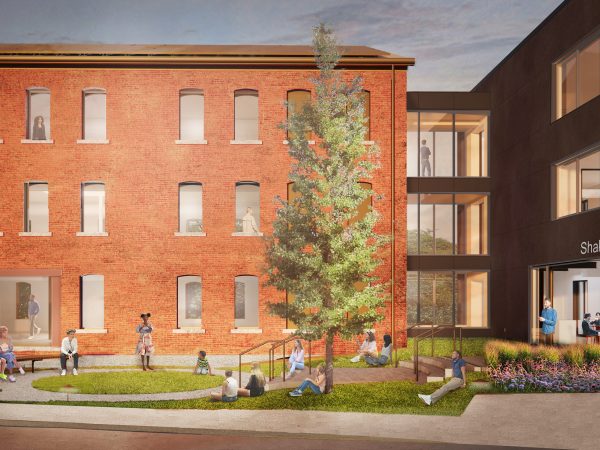
The mainstage theater is part of the Administration Building; a three-story brick veneer building that was built in 1958 on the university’s North Campus. The scope also included improvements to the existing building shell, sitework, landscaping and new MEP/FP Systems throughout the mainstage theater portion of the existing building.

The basement of the theater housed the main telecomm hub that served the entire campus and needed to be kept operational during the demolition and rehabilitation of the theater. DOC installed HEPA filters to maintain positive air pressure in the space and a temporary roofing membrane on the concrete floor above the room, to protect it from rain and water infiltration as the roof above was to be removed so that two 20,000-pound steel beams could be loaded into the building.

In addition to the telecomm hub, the campus steam line also passed through the basement. This was maintained throughout the construction phase and also required close coordination with all the subcontractors working in and around the lines.

Project Highlights
  • Renovations took place while the building and surrounding campus remained occupied and operational
  • New MEP/FP systems were installed throughout the mainstage theater portion of the existing building
Thomas Walsh

Project Contact

QuEST Center, Quinsigamond Community College
Rings Overlay Rings Overlay
Scroll

Empowering Innovation: Construction Showcases Sustainability, Seamless Operations, and Collaborative Learning Amidst Complex Logistics and Cutting-Edge Design

DOC provided preconstruction and construction management services on the new 38,000-square-foot QuEST (Engineering, Science & Technology) Center building consisting of offices, laboratories, specialized and support spaces and general classrooms for the existing science and technology programs. Science and sustainability examples are on full display to encourage student interest and interaction in the areas of water efficient technologies and energy conservation.

The building is located between two academic buildings that needed to remain in full operation through the duration of the project. DOC’s team worked with the operations and facilities staff at Quinsigamond to develop phasing and logistics plans as well as traffic and pedestrian mitigation efforts. The site also included a 20-foot grade change from north to south, adding to its logistical complexity. Enabling for the project included relocating all the site utilities from the building footprint.

The building’s sustainable design features include a variety of passive solar design strategies that maximize the use of the sun’s energy for heating and cooling needs. These include transom and clerestory windows, external louvers, occupancy sensors and roof overhangs. The building’s design also reduces unnecessary runoff by diverting rain into two bio-retention ponds that irrigate native wetland plants. Locally sourced materials were used in the construction of this new facility.

Project Highlights
  • Building contains offices, laboratories, specialized and support spaces, and general classrooms for the existing science and technology programs.
  • Extensive use of BIM: During preconstruction it was used to fully coordinate the documents and to aid in developing the logistics and phasing plans. In construction BIM was use to aid in subcontractor coordination, MEP coordination, and scheduling.
  • Relocating all the site utilities from the building footprint.
  • This project utilized sustainable design practices.
Natural Science & Allied Health Building
Rings Overlay Rings Overlay
Scroll

New Cutting-Edge Health Science Facility Helps Achieve Accreditation and Accelerates Learning through Efficient Construction Management and BIM Excellence

DOC provided preconstruction and construction management services for this new construction project on the Marist College campus. Our firm was responsible for buy-out and coordination of all major subcontracts.

The 56,000-square-foot building consists of four-levels (one story below ground, three above) and a mechanical penthouse. It houses the new physician assistant and physical therapy programs as well as biology and life sciences programs.

The new facility includes three traditional classrooms and teaching and faculty research labs that include: custom wood, stainless, and plastic laminate casework, fume hoods, bio-safety cabinets, clean benches, exhaust snorkels, vented specimen cabinets, glassware and instrument washers, steam sterilizers with both independent and integral steam generators, natural gas, compressed air and vacuum fixtures.

The building also includes a gross anatomy lab with custom downdraft dissection tables connected to underground ductwork with a venturri valve exhaust system by Phoenix, exam lights by Stryker (medical grade), stainless steel casework and cadaver storage, an audiovisual system with cameras and smart boards at each of the 11 dissection tables, and negative pressurization monitoring.

In addition, there is a mock exam room meant to mimic a doctor’s office for training physician assistant students. These rooms are connected to observation rooms with two way glass and an audio-visual package that allows instructors to observe and communicate with students and patient actors.

This state-of-the-art facility also includes a trauma surgical suite that uses Laerdal manikins for teaching and instruction. The surgical suite includes: Connections for three manikins that receive power, data, air, and vac to mimic medical conditions; Medical grade surgical booms by Skytron which included power and data as well as medical grade piping for air, vac, and CO2; Scrub sinks, Stainless steel casework, and another major audio-visual package to connect the room to adjacent observation rooms.

Architectural features of the building include two two-story lounges with custom aluminum curtain wall, mill work, and acoustic plaster.

Project Highlights
  • Preconstruction and construction management services
  • BIM was instrumental to the success of the project. The DOC team coordinated all mechanical ductwork and piping, plumbing, fire protection, and electrical work in a BIM 360 Glue model.
  • Schedule was critical. The team was able to deliver the project in just 12 months which allowed the college to receive accreditation for the physicians assistant program and hold classes in the new facility for the spring semester.
Weston A. Bousfield Psychology Building Renovation & Addition
Rings Overlay Rings Overlay
Scroll

Harmonizing Campus Expansion: Meticulous Coordination in Occupied Renovation Ensures Academic Continuity and Seamless Progress

This public CM-at-Risk project included the renovation of an 82,000-square-foot occupied building and the construction of a new 30,000-square-foot addition.

The existing building housed the Psychological Services Clinic (which provides services to the public), relocated EEG labs, a wet lab and flexible rooms for teaching and research. These areas each had their own challenges and required construction activities that would have not been disruptive.

The addition, connected to the existing renovated building through a two-story atrium, serves as a new entrance to the facility and houses physiopsych labs plus a computer server, support spaces, and lecture and seminar rooms of various sizes. The atrium provides additional breakout space.

Close coordination with the existing building occupants was required to minimize interruptions to their daily operations. Besides general classroom and lecture activities, the building was also a hub for sensitive experiments and research, many of which required minute instruments susceptible to vibration and noise.

The project was located in the heart of the campus along the “academic way” and required the re-direction of pedestrian traffic through different routes at different stages of construction. Different phases also affected access of delivery trucks and fire department routes and at times required vehicular traffic redirection.

Project Highlights
  • DOC provided preconstruction and construction services.
  • Renovation/rehabilitation of an existing structure.
  • Very busy location in the heart of campus surrounded by occupied, active buildings.
  • Scheduling and coordination of construction activities to minimize disruption.
  • Occupied renovation required working around Psychology Department’s active vivarium and clinical space serving the public.
  • Adherence to noise and vibration restrictions.
  • BIM was utilized on this project.
Bucklin Point Wastewater Treatment Plant Upgrade
Rings Overlay Rings Overlay
Scroll

Transforming Wastewater Management: Enhanced Utility Infrastructure and Treatment Capacities Shape a Sustainable Future for Rhode Island

Bucklin Point is a 46 MGD wastewater treatment facility in East Providence, RI. The major plant improvements installed under this project included a new plant wide power distribution system, six new secondary clarifiers, two new sludge thickeners, modifications to the existing aeration systems, two new high speed turbo blowers, new chemical feed systems, new sludge pumping station, and new vehicle storage building. Work also included cleaning of digester tanks and replacement of digester mixers.

Project Highlights
  • Utility Infrastructure: Work around the new power distribution system included construction of medium voltage electrical power distribution and control facilities for the plant, including transformers and switchgear, and installation electrical equipment rated for 13.2 KV and 480V power supply.
Hess Center for the Arts
Rings Overlay Rings Overlay
Scroll

Revitalizing Campus Culture: Historic Buildings Transformed and New Addition creates a State-of-the-Arts Center that is a Fusion of Heritage and Innovation

Located in the heart of the campus, this project involved the renovation of five buildings originally built in the years of 1952, 1954, 1988, and 1999. The scopes of work in those buildings consisted of masonry restoration, slate and membrane roof repair, window replacement, and upgrades to HVAC, plumbing, fire protection, fire alarm electrical, and lighting systems. Work also included preservation and restoration of existing millwork, elevator upgrade and restoration of the balcony in the auditorium.

Renovated spaces within the building included the existing black box theater, art studios, music practice rooms, dance studio, classrooms, offices, storage, and support spaces. A new 30,000-square-foot addition was added to house the art gallery, acting lab, chamber hall, and associated support spaces. Features of these spaces included a radiant heated floor in the art gallery with high ceilings and unique architectural details throughout the concert hall and gallery. Enabling for this project included upgrading the existing utility infrastructure and rerouting existing utility lines out of the footprint of the new addition.

A high level of finish quality was expected at Deerfield. The DOC team spent a lot of time with the architect working out the intricate millwork details throughout the building.

Project Highlights
  • Logistically complex, heart-of-campus project site
  • Extensive renovations to important campus facility
  • High level of coordination and team collaboration required to successfully deliver project
  • Full preconstruction and construction services provided
  • Extensive use of BIM
John J. Carroll Water Treatment Plant
Rings Overlay Rings Overlay
Scroll

Upgrade Enhances Water Treatment Plant with UV Disinfection and Innovative Renovation Enables Uninterrupted Operations and Cutting-Edge Equipment Integration

This $30 million project consisted of renovating the 200 MGD John J. Carroll drinking water disinfection plant by installing new ultraviolet disinfection equipment.

The scope of work required all new electrical for the renovations, instrumentation, controls, and HVAC equipment, accomplished by creating a temporary bypass of the two extended ozone contact chambers so the demolition of the concrete roofs and baffle walls could be done. This allowed for the accommodation of 12 Calgon’s Sentinel Chevron 48 reactors and all ancillary equipment.

A temporary sodium hypochlorite feed system was be installed to allow for the removal and relocation of existing chemical feed points for sodium hypochlorite and sodium bisulfite. The project was completed in two phases, which allowed the MWRA to operate the plant at half capacity for the entire duration of the project.

Student Center Renovations and Music Addition
Rings Overlay Rings Overlay
Scroll

Seamless Transformation: Collaborative Renovation and Expansion of Marist College Student Center Elevates Campus Experience

DOC provided preconstruction and construction management services on this renovation/addition project at Marist College’s Student Center. Our firm was responsible for the buy-out and coordination of all the major subcontracts. The project included renovation of the 25,000-square-foot student center— one of the busiest buildings on campus.

The project scope included a gut renovation of the kitchen, servery and dining hall, which included excavation and trenching at the interior to run utility and service lines. Exterior renovation work included enclosing an existing courtyard and replacement of the existing windows and portions of the façade.

A 24,000-square-foot addition was also constructed to existing building. The new addition provided space for the college’s music department and faculty offices, classrooms, practice rooms, band room, and 200-person choir room.

Installation of a new roof and renovation of the 312-person theatre with upgrades to seating, audio visual, rigging, and lighting systems was also completed. In order to tie-in with the overall project schedule, all interior upgrade work was completed in 14 weeks, including the new kitchen and dining area.

Project Highlights
  • Renovation and rehabilitation of an existing structure
  • The interface for the two buildings encompassed main entrances of the existing student center and a common exterior wall. This work was phased and coordinated with the college.
  • Project success attributed to a high level of coordination and team collaboration
Faraday Hall
Rings Overlay Rings Overlay
Scroll

Redefining Student Living: Innovative Design, Sustainable Features, and Swift Construction Shape a 259-bed Campus Hub for Excellence

The Faraday Residence Hall project is an 89,000 sf building on the lower campus of Worcester Polytechnic Institute. The student residence has 259 beds arranged in suites consisting of four beds per suite. Each suite contains a full kitchen with stove, sink, refrigerator and counter space to allow meal preparation.

The building also has amenities such as a large meeting room, tech suites, a laundry room, private parking, a large courtyard area, and main lobby with lounge space and billiards.

The residence skin is red brick, which was required by the City of Worcester to fit with the industrial heritage of the area. On one side of the building colorful metal panels are arranged to resemble a circuit board, a nod to the work of British scientist Michael Faraday, after whom the building is named. The dormitory is built to national LEED specifications to make the most of natural light and to conserve energy and water.

The $35 million building was conceived, designed, permitted, built and ready for occupancy in 14 months. The project is LEED® certified to the Silver level.

Project Highlights
  • Full utilization of BIM from the outset of the design phase for coordination and clash detection was instrumental in allowing the project to remain on schedule.
  • The project team used Revit and NavisWorks to model and coordinate the building’s structural and mechanical systems.
  • The entire project was designed and built around student safety. Windows at hallway ends allow light into all dead end spaces. Tech suites have all glass enclosures so that the common areas are open to view, but can be closed off for study. A laundry room with a glass exterior wall and glass interior wall enhances student’s safety. All doors throughout the building are card-access controlled and the building’s perimeter is monitored by video cameras and WPI security.
Gateway Park 50 Prescott
Rings Overlay Rings Overlay
Scroll

Elevating Life Sciences and Biotech with Cutting-edge Lab Facilities and Collaborative Spaces, Powering Research and Development for Academic and Commercial Success

Gateway Park is a 12-acre, mixed-use destination for life sciences and biotech companies. The Park includes five life sciences buildings totaling 550,000 sf of flexible, adaptable lab space to meet the needs of research organizations and 125,000 sf WPI Life Sciences and Bioengineering Center.

Our sister company O’Connell Development Group was selected by WPI as the developer and owner for Phase II of this development. This project included a mixed use destination for life sciences and biotechnology incubators and adaptable lab space that meets the needs of academic, commercial and research organizations. DOC served as the CM-at-Risk for Phase II. With approximately 92,000 sf, it houses such tenants as the Biomanufacturing Education and Training Center, the Massachusetts Biomedical Initiatives, the Fire Protection Engineering department at WPI and the WPI School of Business.

The new FPE fire lab at Gateway Park has space for industry-centric projects and fire related research. It is designed and built to provide a great deal of flex space to allow for changing priorities and to assist industry in a timely manner. The Fundamentals Laboratory has new and enhanced bench-scale capabilities designed to provide high-quality data free of interference from noise, vibrations, and environmental factors. The engineering laboratory is more than 2,000 sf of flexible space with a 30 foot high ceiling.

Project Highlights
  • Mixed use destination for life sciences and biotechnology incubators and adaptable lab space that meets the needs of academic, commercial and research organizations.