
Gateway Park 50 Prescott
Rings Overlay Rings Overlay
Scroll

Elevating Life Sciences and Biotech with Cutting-edge Lab Facilities and Collaborative Spaces, Powering Research and Development for Academic and Commercial Success

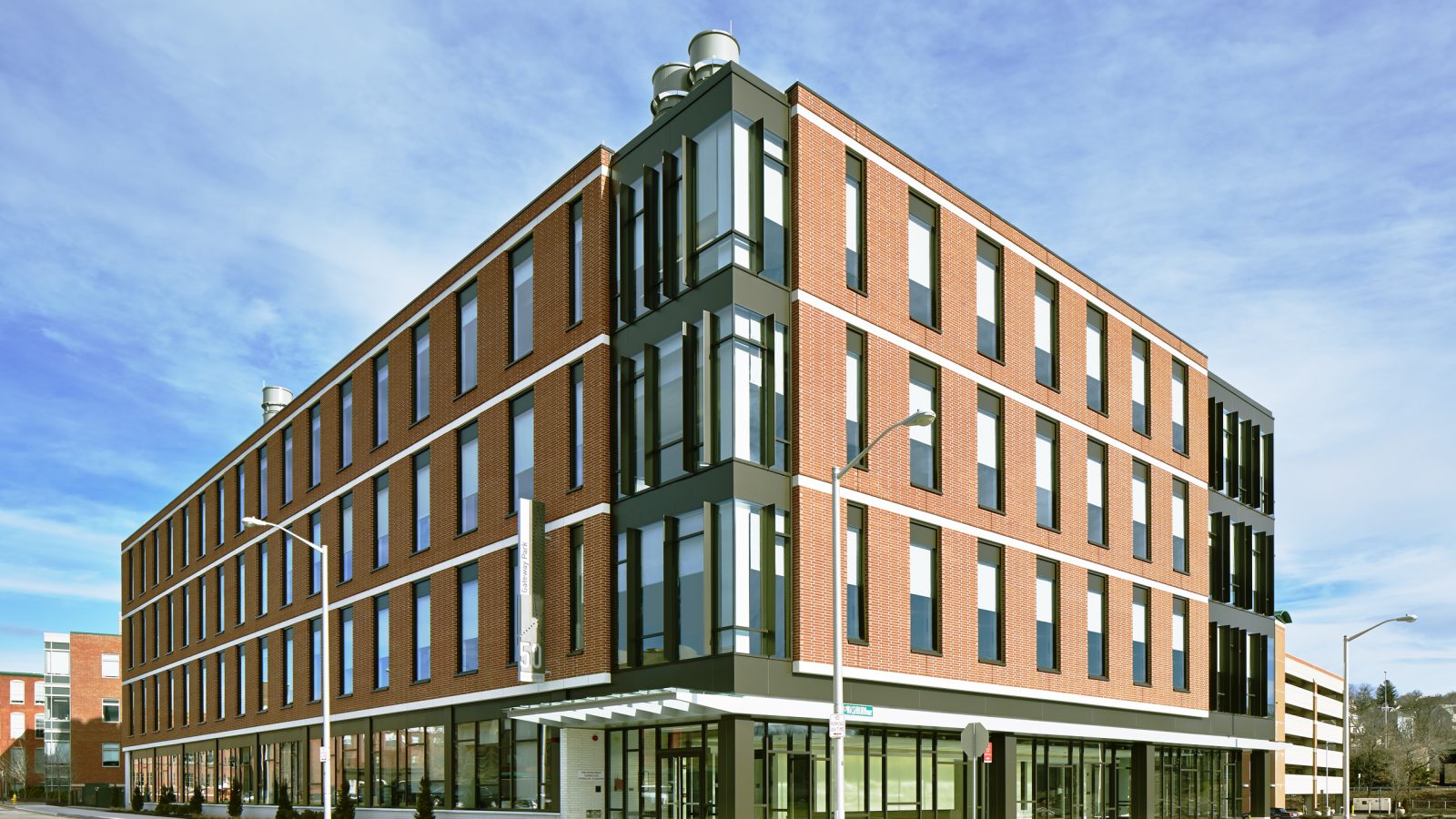
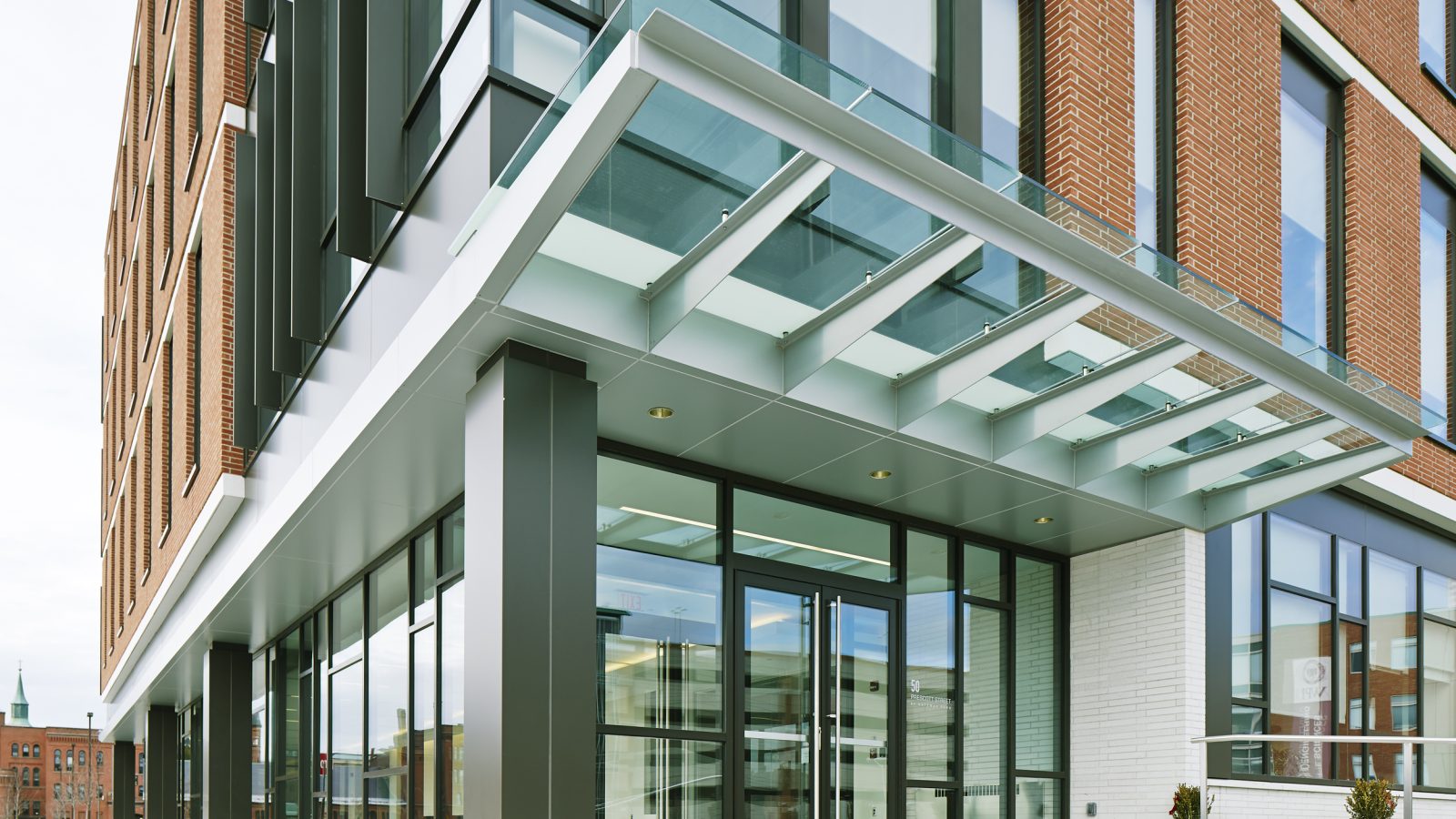
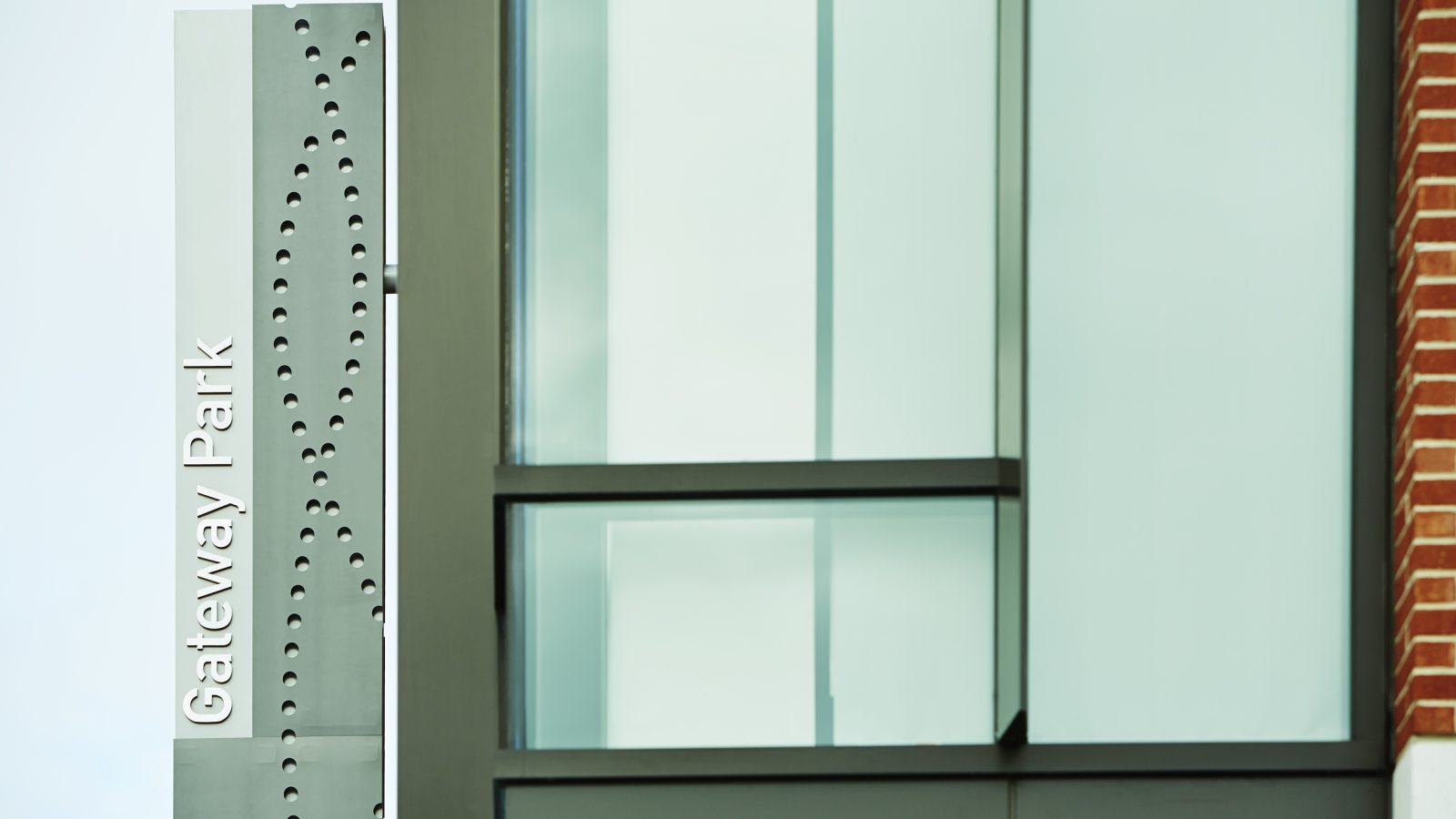
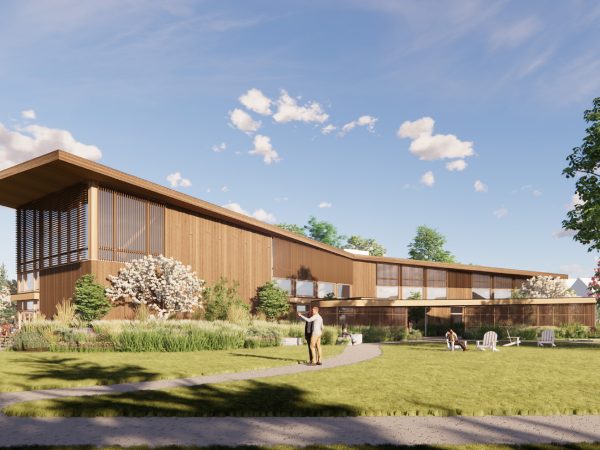
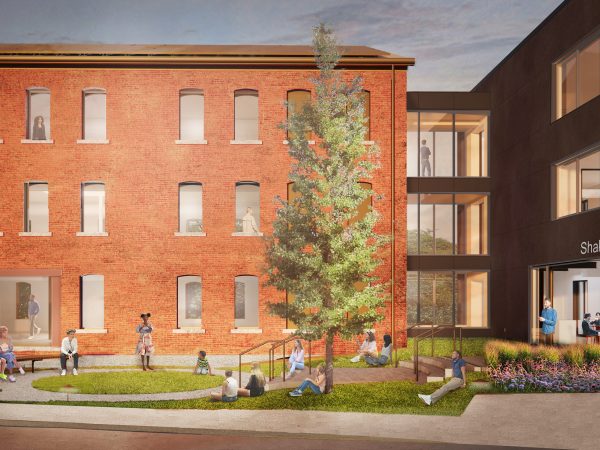
Gateway Park is a 12-acre, mixed-use destination for life sciences and biotech companies. The Park includes five life sciences buildings totaling 550,000 sf of flexible, adaptable lab space to meet the needs of research organizations and 125,000 sf WPI Life Sciences and Bioengineering Center.

Our sister company O’Connell Development Group was selected by WPI as the developer and owner for Phase II of this development. This project included a mixed use destination for life sciences and biotechnology incubators and adaptable lab space that meets the needs of academic, commercial and research organizations. DOC served as the CM-at-Risk for Phase II. With approximately 92,000 sf, it houses such tenants as the Biomanufacturing Education and Training Center, the Massachusetts Biomedical Initiatives, the Fire Protection Engineering department at WPI and the WPI School of Business.

The new FPE fire lab at Gateway Park has space for industry-centric projects and fire related research. It is designed and built to provide a great deal of flex space to allow for changing priorities and to assist industry in a timely manner. The Fundamentals Laboratory has new and enhanced bench-scale capabilities designed to provide high-quality data free of interference from noise, vibrations, and environmental factors. The engineering laboratory is more than 2,000 sf of flexible space with a 30 foot high ceiling.

Project Highlights
  • Mixed use destination for life sciences and biotechnology incubators and adaptable lab space that meets the needs of academic, commercial and research organizations.
Jeremy Smith

Project Contact

J. Michael Ruane Judicial Center
Rings Overlay Rings Overlay
Scroll

Revitalizing Court Facilities and Historic Church: Innovative Consolidation and Relocation Project Enhances Judicial Resources

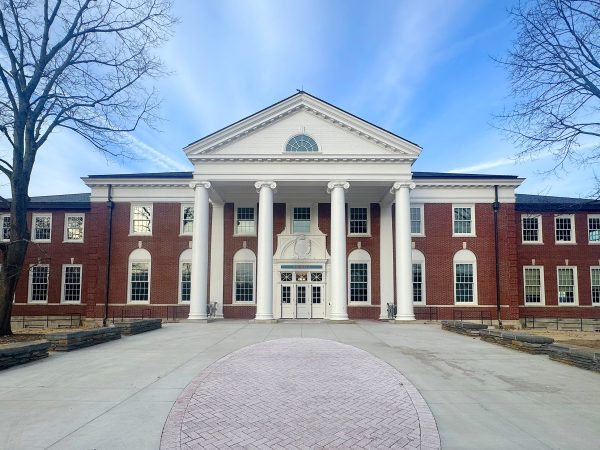
The Ruane Judicial Center was a Chapter 149-A, 191,000-square-foot project that consolidated five court departments into two adjacent buildings, offering opportunities for shared resources and building efficiencies. A total of 11 new courtrooms provide fully-accessible judicial facilities that meet current national court standards.

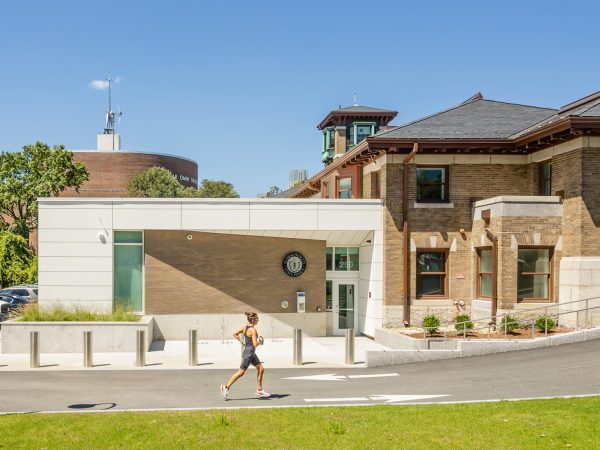
As part of the project, the historic First Baptist Church of Salem was relocated and carefully renovated to serve as a new Law Library. The original balconies, coved ceilings, chandeliers, intricate plaster medallions and moldings were retained.

Preparation for the move included shutdown of all underground and overhead utilities, demolition of foundation walls, leveling of the move route with the installation of engineered fill, as well as the construction of a new foundation and basement.

Given the design of the church, the entire span of the roof was supported by the walls. The walls were reinforced to resist spreading under the weight of the roof during the move. The design of the new foundation allowed for removal of the support frame with the foundation walls being built to the plane of separation rather than having the church structure lowered onto the foundation.

The project was bordered by very busy streets to the north, west and south and involved extensive site preparation including the demolition of three existing houses, the removal of two traffic ramps and the installation of a foundation for the relocated First Baptist Church.

Project Highlights
  • The project team used BIM from the outset of the design phase for coordination and clash detection. During the construction phase the team used BIM for MEP and subcontractor coordination, phasing and scheduling of the work.
  • DOC provided preconstruction and construction services
  • Logistically complex project site
Taunton District Court
Rings Overlay Rings Overlay
Scroll

District Court Building Rises as a Beacon of Legal Excellence that Balances Functionality, Security, and Urban Integration

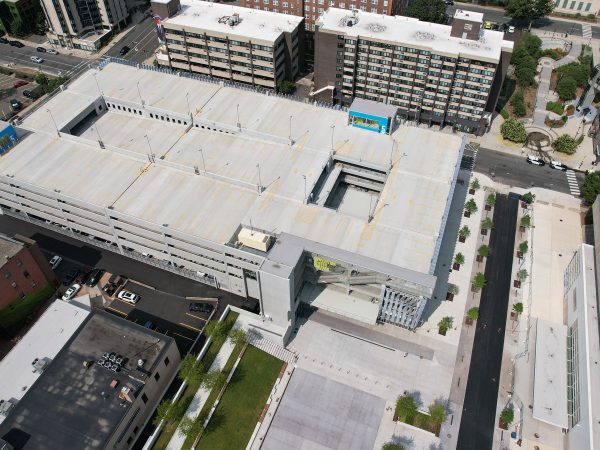
The new Taunton District Court building is a 146,000-square-foot, four-story facility with secured on-site parking. The project is located on a busy, congested urban site. New construction included eight courtrooms, conference rooms, offices, detainee areas, common space, building lobby and an atrium. The existing building on the site was demolished to make room for the new facility.

Given the tight confines of the site, a collaborative approach between all team members was critical to the success of the job. The project team had to work closely to develop an effective logistics plan that took into account site abutters and existing site conditions.

At every stage, the entire team was aware of our plan for dealing with many logistical issues that could impact the project’s cost and schedule. These included coordinating construction activities with the operations and daily business of the Bristol County Courthouse, with the private businesses that abutted the project and the installation of survey points on all adjacent buildings to monitor for any potential vibration or settling damage.

Enabling for the project included the disposal of underground asbestos lines and oil tanks, relocating existing steam lines and the control of ground water at the basement level of the new building. In addition, the team developed a plan to control off-site and on-site stormwater that drained to the building’s footprint due to the natural grade of the site.

Project Highlights
  • Logistically complex, dense, urban project site
  • Project success is attributed to a high level of coordination and team collaboration.
  • DOC provided Preconstruction and Construction Services.
  • Extensive use of BIM throughout the project.
  • Utility lines from streets to the east and west traversed the footprint of the new building. Planning and phasing of the project involved developing several drafts of our logistics plan to accommodate the project’s neighbors listed above and erection of the structural steel.
  • Regardless of the project’s phase our team had to allow space for detainee drop offs at the existing court house by the county sheriff’s department.
Stoeckel Hall Renovation and Addition
Rings Overlay Rings Overlay
Scroll

Preserving Legacy, Inspiring Harmony: Historic Yale Building’s Transformation Embodies Musical Renaissance and Architectural Revival

As part of Yale University’s Master Reconstruction Plan, Stoeckel Hall underwent a metamorphosis to fully restore, renovate, and expand the home of the Music Department.

Built in 1897 as a Venetian-Gothic residence for a fraternity, Stoeckel Hall was purchased by the University in 1935 and renamed for Gustave Stoeckel, Yale’s first music instructor. The building had not been renovated in decades and was in need of a major transformation.

The Yale Stoeckel project had three major components: restoration of the exterior terra cotta and windows on the original 1897 building, major interior renovations, and a new four-story addition with basement. All of the planning, persistence, and patience have resulted in a beautifully restored building filled with the sound of music.

The goals for the renovation included the following: Life cycle renovation and restoration of the building’s detailed terra-cotta exterior to secure another 60+ years of use; replace and upgrade all utilities and services; bring the original building into compliance with building and life safety codes and accessibility regulations; maximize available space; and enhance operating administrative efficiencies. All these goals were met while maintaining and enhancing the historical elements of Stoeckel Hall.

Project Highlights
  • The project is located at a busy, urban intersection in the heart of the Yale campus, on the corner of College Street and Wall Street. The site was surrounded on all sides by occupied buildings and heavily traveled streets and sidewalks.
  • Underground obstructions found during excavating for the new addition caused delays. DOC re-sequenced the project to keep the schedule moving, simply because there was no flexibility on the completion date.
  • DOC ensured collaborative buy-in by the entire project team to the required risk analysis process. Otherwise the complexities of the job would have challenged the ability of everyone to keep things on track.
  • For local workers, minority workers, women-owned enterprises and apprentice programs, DOC met or exceeded all goals that were established at the beginning of the project. This was a difficult task and required equal employment opportunity meetings on a regular basis.
Davenport College Renovations
Rings Overlay Rings Overlay
Scroll

Complex Revival Accommodates Shifting Lifestyles and Contemporary Education Standards in 14 Months

In the 1990’s, Yale University embarked on an ambitious plan to update campus buildings and build the infrastructure needed to support a modern campus. When the time came to renovate Davenport College, it provided an opportunity to incorporate significant updates to form and function in accordance with contemporary higher education standards.

Davenport College opened in 1933. The College is configured in five floors plus a basement, arranged in wings containing student housing surrounding two courtyards. Originally housing an all-male student population, the College now houses a significantly larger coed student population. The resulting shifts in interest and lifestyle have been accommodated over the years by sanctioned, and sometimes improvised, alterations to the original construction.

This complex renovation project of a 1933 historic student residence was completed in just 14 months. The 160,000 sf College is comprised of nine connected buildings of varying sizes arranged around two courtyards.

Upgrades included all new interior walls and finishes, incorporation of life safety and accessibility components, relocation and upgrade of mechanical and electrical, new roofing, windows, and energy efficient features. Other challenges included reorganization of the basement student activity spaces, reorganization of the entire food service and server areas, and conversion of a number of student suites into handicap accessible rooms.

Project Highlights
  • The project team completed the renovations of 160,000 sf in 14 months.
  • Averaged more than $3,000,000 of construction in-place per month.
  • Nine buildings on five floors were transformed into a fully ADA compliant campus.
  • Major utility upgrades and interior and exterior renovations were completed on a site with limited access surrounded by occupied buildings and congested streets.
  • Schedule control was critical and non-negotiable. The building had to be ready for students in August 2005, and it was.
  • Careful attention to safety ensured that a very high-risk job was completed with an excellent safety record.
Richard B. Fisher Center for the Performing Arts
Rings Overlay Rings Overlay
Scroll

A Fusion of Artistry and Engineering Excellence Bring Life to Bard College’s Avant-Garde Performing Arts Center

Bard College’s extraordinary Performing Arts Center is a 109,000-square-foot magical combination of artistic expression and technical achievement. Designed by renowned architect Frank Gehry, the facility includes a conventional 1,000-seat theater, a 400-seat black box theater, a concert shell and forestage lift, and full flying systems for scenery.

Building this kind of groundbreaking architectural design tested the limits of construction methods and materials. Our project team developed equally innovative construction management solutions, including innovative laser surveying techniques and 3D computer modeling. DOC’s project management staff also created project- specific electronic and web-based methods to communicate with team members across the country.

Project Highlights
  • Early adoption of BIM technology to coordinate structural steel, curtain wall, and stainless steel skin
  • Geothermal heat pumps fueled by 150 wells provide heat and air conditioning
  • Complex MEP and control systems served by eight separate mechanical equipment rooms
Simmons Hall
Rings Overlay Rings Overlay
Scroll

Architect Steven Holl’s Vision Realized: Collaborative Triumph in Fast-Track Construction of Unique 360-Bed Dormitory

Designed by internationally acclaimed architect Steven Holl, this facility not only broke new ground using innovative construction methods and technology developed by DOC, but it required a fast-track schedule to guarantee completion for fall 2002 occupancy. The 360-bed dormitory building includes one-of-a-kind systems and details, including a grid exterior that holds nearly 8,000 windows. Amenities include a 125-seat theater, café, dining hall, and auditorium. Five irregular vertical openings pass through the building bringing natural light from above, and acting like lungs to provide fresh air throughout the building.

Project Highlights
  • Completing the project required a highly collaborative and coordinated effort by the project team to maintain the fast-track schedule
  • The exterior of the building is made up of load-bearing precast wall panels covered with brushed aluminum and inset with 8,000 windows. The design and production of these panels breaks new ground in construction methods and technology.
  • Urban site demanded careful logistical planning to minimize disruption to pedestrian and vehicular traffic