
Shaker Museum
Rings Overlay Rings Overlay
Scroll

Transforming a Historic Site into a Cultural Landmark

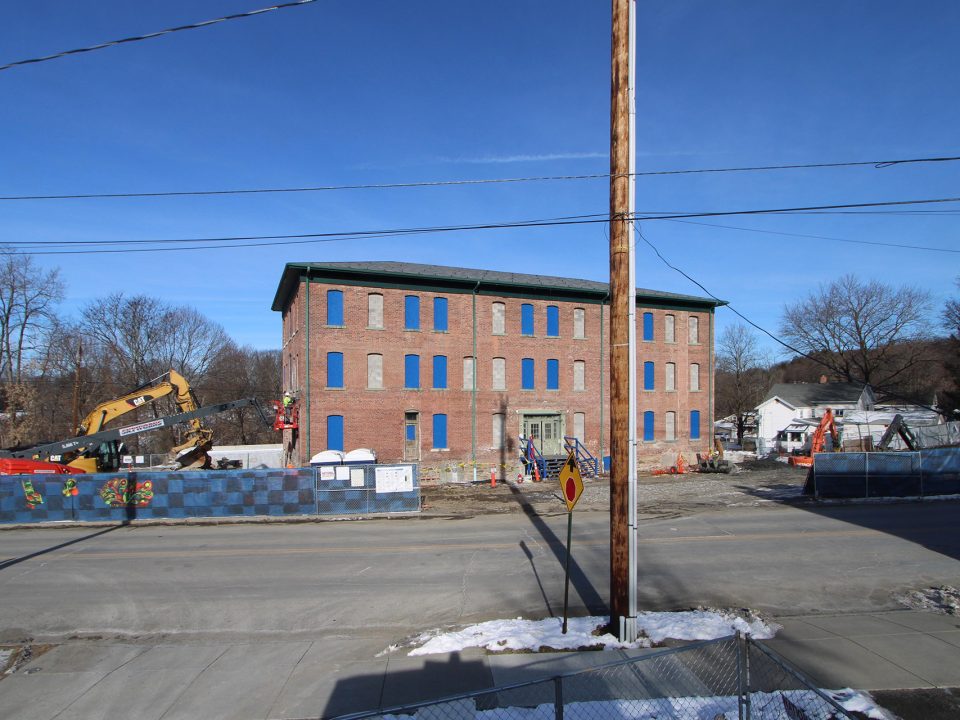
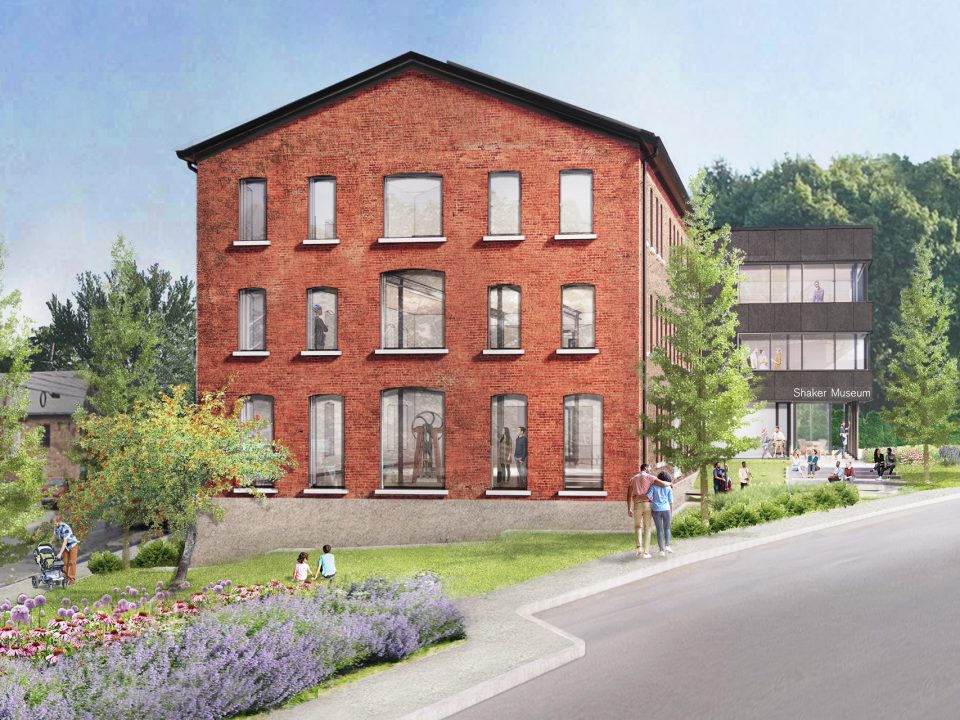
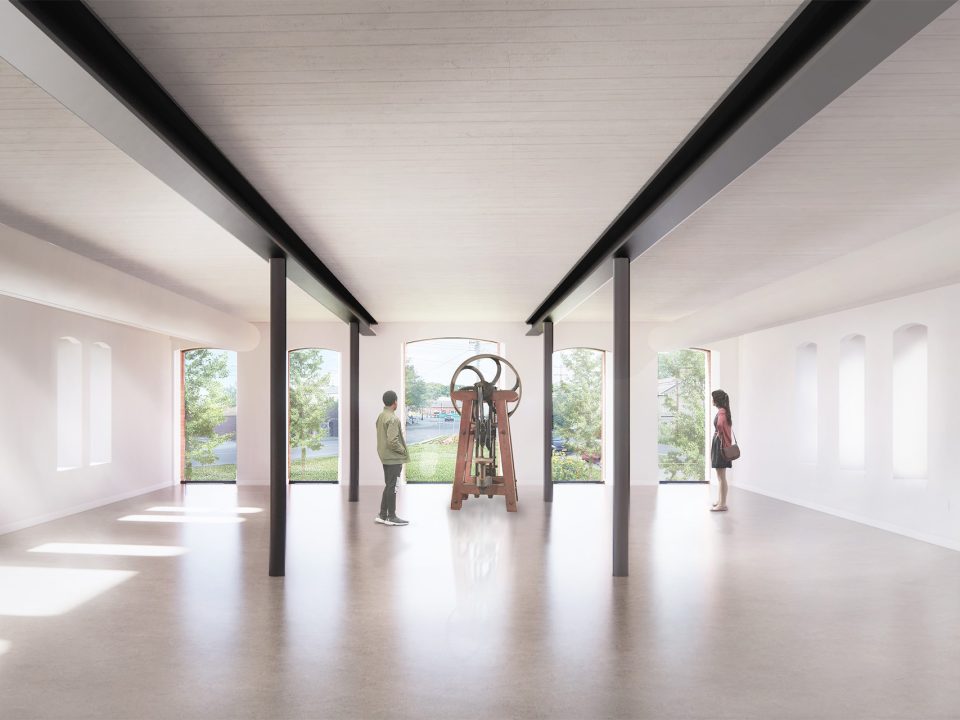
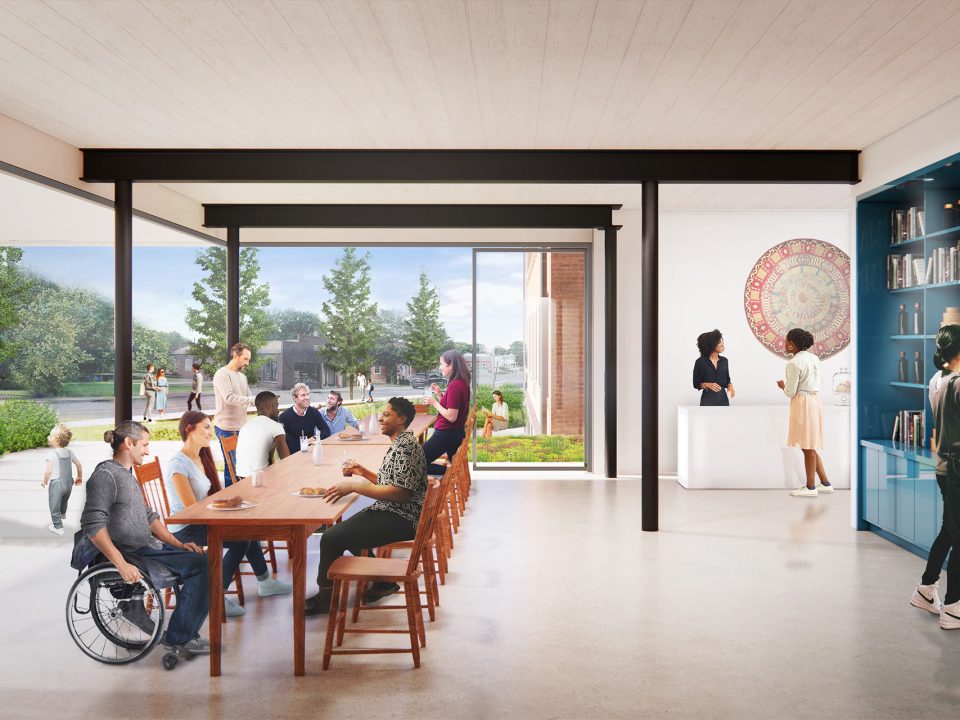
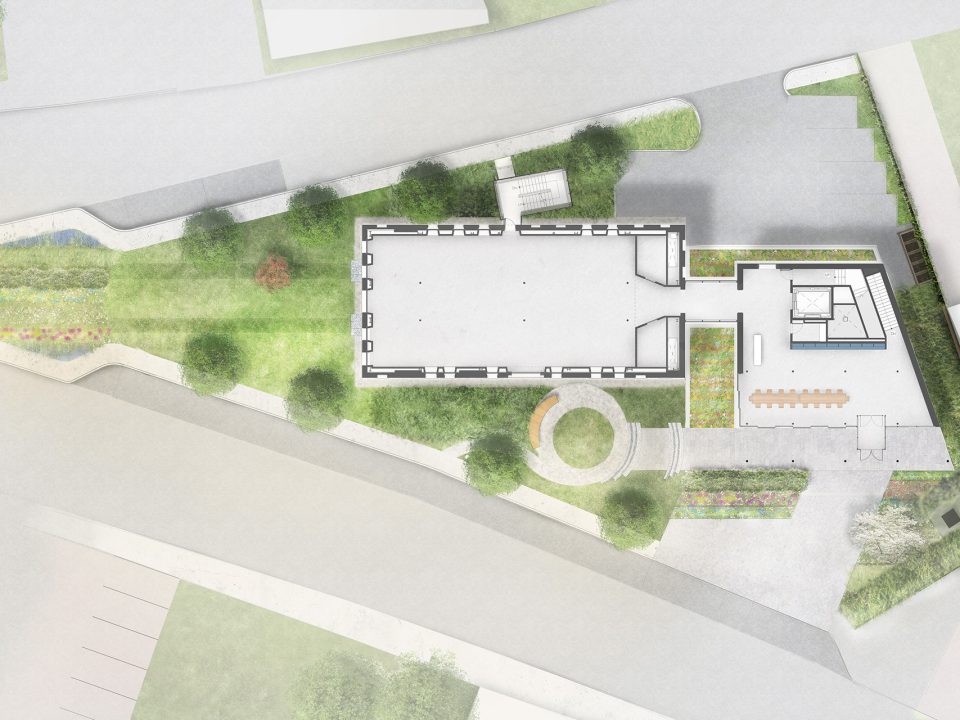
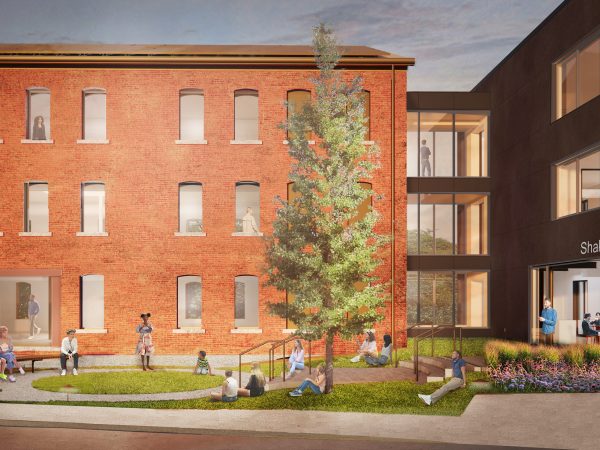
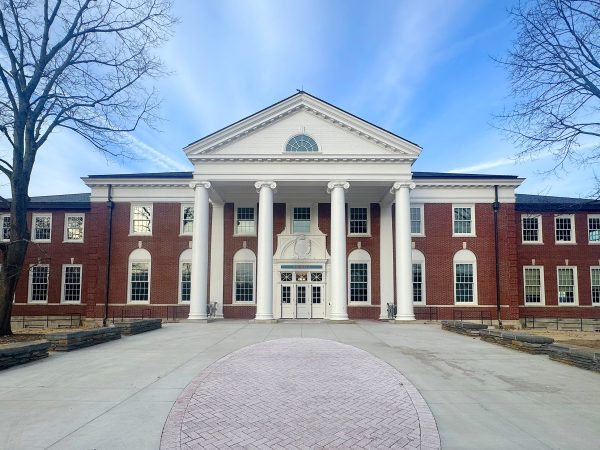
DOC is providing preconstruction and construction services for the new Shaker Museum in Chatham, NY. The project preserves Shaker heritage by retaining and fully renovating an existing 100-year-old, 15,150-sf unreinforced masonry building. The design inserts a new structural system within the historic envelope to meet current code requirements and create a collections storage area and three levels of exhibition space.

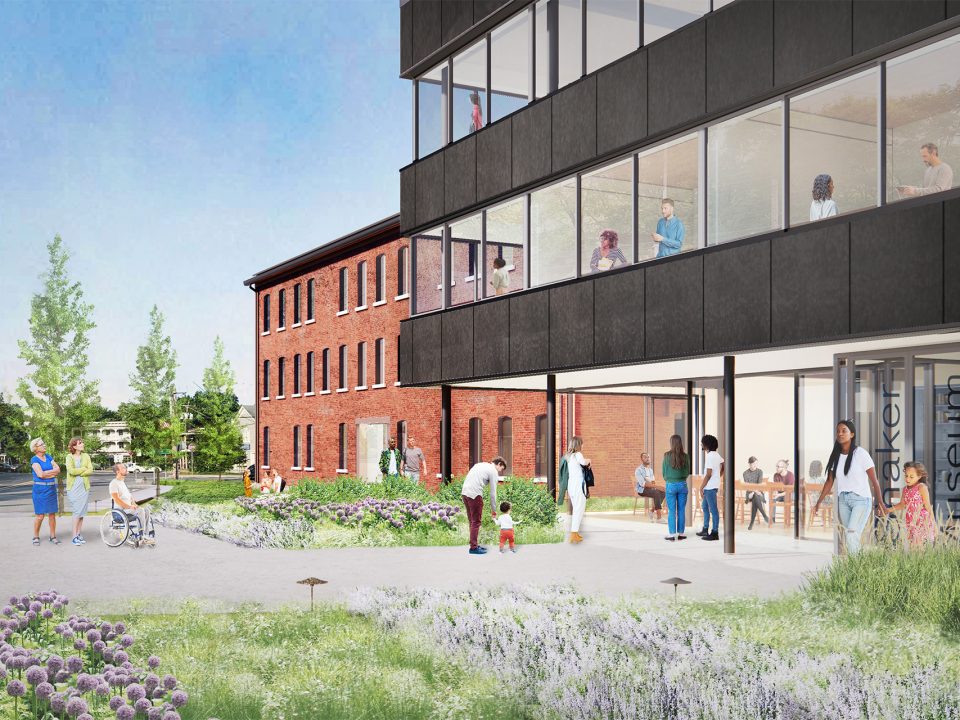
A new 11,950-sf addition connects to the renovated structure, complementing the historic building while introducing a distinct contemporary architectural element. This addition forms the museum’s main entrance and offers an open, welcoming space that immerses visitors in Shaker culture. Its cellar level houses public restrooms, additional collections storage, a learning center, and major MEP systems.

The structural design incorporates a cast-in-place concrete first floor, with Levels 2 and 3 and the roof framed in structural steel and Cross-Laminated Timber (CLT) plates. The project is under construction.

  • Open Communication & Coordination: DOC is collaborating closely with the architect, the MEP/FP engineer, and the structural engineer.
  • Complex Site Logistics: Managing tight-site constraints in a busy town, including exposed MEP/FP, minimal ceilings with CLT panels, and ongoing envelope and humidification work throughout museum spaces.
  • Preconstruction Highlights: Providing preconstruction services, including SD/DD estimates, constructability review, schedule/logistics input, and a value management log.

This project embodies and perpetuates the core ideals of Shaker culture—it is accessible, welcoming, and sustainable. As a supporter of the Shaker Museum for over 50 years, the New York State Council on the Arts is proud to fund this expansive, elegant project that will bring the measurable benefits of arts and culture to the visitors and residents of New York.”

Erika Mallin
NYSCA Executive Director
Jeremy Smith

Project Contact

Convention Center Carpark
Rings Overlay Rings Overlay
Scroll

New Parking Garage Helps Brings More Visitors to Downtown Springfield

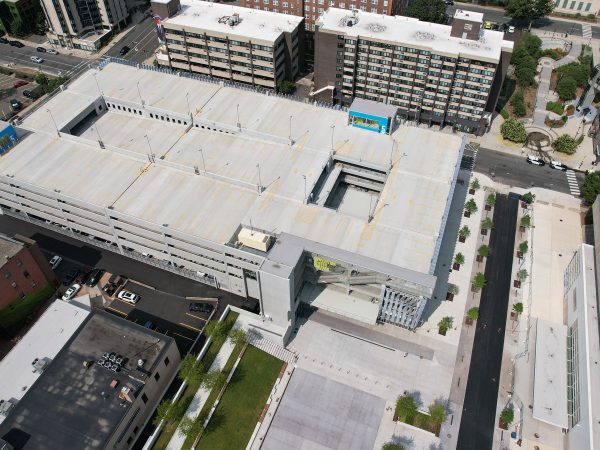
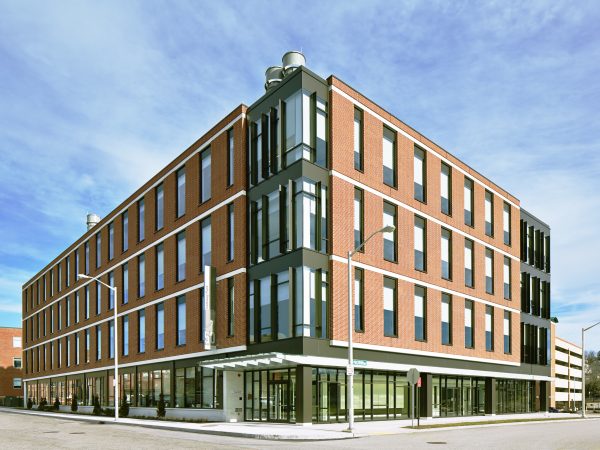
This project is the new construction of a five story precast concrete garage facility, 350,000 sf in size, and parking for 817 vehicles. The garage foundation is set on over 600 rigid inclusions. There are three core stairwells and three elevators. The first floor includes office space for garage administration staff, the MEP systems, storage rooms, and a 9,500 sf area for future retail space.

The interior finishes include precast walls, concrete masonry units (CMUs), and Gypsum Wallboards (GWB). The floors are polished concrete, GWB, and metal make up the ceilings, and stainless steel doors and hardware throughout. The project scope included plumbing, fire protection, mechanical, electrical, data, communications, and substantial civil/site work.
There is also an outdoor Plaza area with berm seating, pavers, planters, and a large concrete patio with catenary lighting fixtures suspended from overhead cables for outdoor events. The project also includes the conversion of the street between the new Garage and the Mass Mutual Center, Bruce Landon Way, into a ‘pedestrian only’ street with colored concrete sidewalks, new lighting, trees, and site furnishings. This project intends to produce an environmentally responsible and sustainably sensitive facility employing elements of Parksmart certification.

  • Preconstruction Emphasis: Work included developing the DD budget, early design assist package for precast concrete, sitework and rigid inclusions, trade bid prequalification input, and the final GMP bid package for remaining trades.
  • BIM Services: Our team used laser scanning in conjunction with BIM to develop accurate models of the as-built condition to fully coordinate the new MEP and the finish systems.
  • Logistically Complex Site:
    • The site was located in a dense urban area bordered by heavily traveled sidewalks and roadways.
    • Required deep coordination with the City of Springfield and local agencies within the City.
    • The project team coordinated closely with the Mass Mutual Center as construction was adjacent to this very active public facility.
  • Utility Work: The existing structure was already demolished. DOC needed to provide major utility work to add structures and tie newly updated utilities to the existing ones per the Springfield Water and Sewer Department.
Goodell Hall Renovation, University of Massachusetts–Amherst
Rings Overlay Rings Overlay
Scroll

Main Campus Building Gets a Major Renovation Providing a Centralized Space for Student Support and Activities

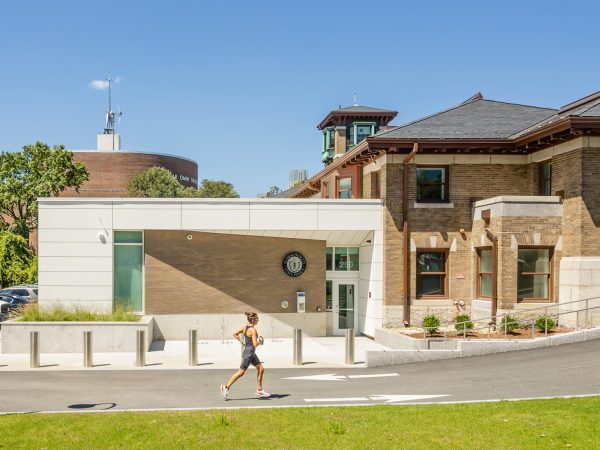
Goodell Hall is comprised of two parts: an original 3-story 34,323 GSF building constructed in 1934 and a 6-story, 95,442 GSF addition constructed in 1957.

The Goodell Hall renovation project located on the UMass – Amherst main campus includes alterations throughout all levels. The scope of work incorporates alterations to provide new offices, classrooms, break-out and lounge spaces. The existing stacks located at levels 4-6 were infilled at each level.

The scope of work throughout work areas consists of alterations to interior partitions, interior finish upgrades, millwork and furniture replacement, equipment upgrades, flooring and ceiling replacement, and alterations to the existing MEP and fire protection systems.

Project Highlights
  • Comprehensive Interior Renovation: The Goodell Hall project included extensive alterations for new offices, classrooms, and lounge spaces.
  • M/E/P and FP Upgrades: Upgrades to all M/E/P and fire protection systems.
  • Occupied Campus Construction: Construction in a busy, occupied campus area with high pedestrian traffic, requiring close communication and careful planning to minimize disruption.
  • Use of Advanced Technology in Preconstruction: Laser scanning of M/E/P spaces during preconstruction to sequence new and existing building systems, demonstrating the use of advanced technology to ensure efficient and effective renovations.


South Campus Utility Plant and Distribution System
Rings Overlay Rings Overlay
Scroll

Modernization of Campus Heating and Cooling System Decreases Carbon Emissions

Part of a broader master plan, Phase I of this project consisted of the new construction of the hot water and chilled water plant on the South Campus. Trinity selected DOC to provide preconstruction and construction services.

During preconstruction, our team implemented the initial estimates, provided constructability reviews, and formulated site logistics, emphasizing safety since the college was active during construction.

While performing the construction phase, DOC’s main logistical challenge was completing the work on an active campus when renovating the residential community courtyard in Phase II. To ensure safety compliance with the college’s desired schedule, DOC adjusted working hours and provided weekly logistics plans to phase the work around the school calendar.

Project Highlights
  • Logistical Coordination: During preconstruction, DOC utilized a 360-degree BIM walk-through, building scans, deploying our drone services, and on-site test pit investigations.
  • Key Scope Aspects:
    • New hot and chilled water plant with underground distribution piping throughout the South Campus.
    • Retrofitting individual mechanical and electrical rooms in seven buildings.
    • Replacement of the main switchgear paired with a new MV switch & transformer at the utility plant—updates and expands the campus electrical network.
    • Installation of adiabatic cooling towers on the rooftop of the new Utility Plant which is adjacent to the Buildings and Ground Facilities.
    • Replaced the aging steam systems with efficient plate and frame heat exchangers that service heating and domestic hot water.
    • Revamp of the first year residential community exterior quad, which includes new retaining walls, stairs, handrails, pavers, lighting, and plantings.
Fall River Wastewater Treatment Facility Improvements
Rings Overlay Rings Overlay
Scroll

Upgrading Key Infrastructure While Improving Administrative Spaces

The Fall River Wastewater Treatment Facility (WWTF) is an oxygen-activated sludge secondary treatment plant with an average monthly permitted capacity of 31 mgd and treats flows from a combined sewer system. The WWTF wet weather capacity is 106 mgd for primary treatment/disinfection and 50 mgd for secondary treatment processes.

The project consists of process upgrades to the thickening, dewatering, sludge storage, and odor control systems of the solids processing facilities. A new building was constructed as an expansion of the existing Solids Handling Building that includes personnel locker rooms, offices, a laboratory, and administrative spaces. Renovations to the existing Administration Building consist of offices, restrooms, a lunchroom, and a training/conference room. All buildings consist of architectural, structural, HVAC, plumbing, electrical, and instrumentation and control upgrades or new work. The project also includes demolition, hazardous materials abatement, and/or disposal, site work, yard piping, and electrical/instrumentation distribution.

Project Highlights
  • Addition and Renovation: The project includes both an out-of-the-ground addition and a gut renovation.
  • BIM Services: The DOC Catalyst Group provided coordination of all trades at four different buildings on site using BIM.
  • Selective Demolition: Demo of all existing process equipment and piping, miscellaneous concrete, and building demolition.
  • Logistical Complexity: Maintain existing sludge disposal operations during construction through several different methods including the use of a portable sludge thickening unit.
  • Self-Perform Work: Includes form, place, and finish concrete of walls and slabs. Excavate and install ductile iron and HDPE yard piping. Process mechanical equipment installation includes 2 odor control units, chemical storage tanks, bubble diffusers, and several different styles of pumps. Process pipe installation including PVC, FRP ducting, ductile iron, and stainless steel.
  • Support of Excavation (SOE): The administration building renovation required underpinning.
Hamilton College Root Hall Renovation
Rings Overlay Rings Overlay
Scroll

Iconic Building Becomes a More Functional, Accessible, and Sustainable Space

This project includes interior and exterior renovation of a 22,000 sf four-story academic building in the heart of campus. This historical building, originally built in 1897, houses the Africa Studies, Classics, Religious Studies, and Women’s and Gender Studies departments.

The renovation comprises twenty offices, five classrooms, four meeting spaces, and additional areas for meeting and learning. Accessibility improvements include an ADA-accessible entrance on the west side of the building, a new elevator, and accessible restrooms on all four levels. On the exterior, the team excavated the foundation and installed below-grade waterproofing. The original stone façade was power-washed and selectively repointed. New landscape plantings, hardscape, and granite seat walls were installed on the building perimeter.

Sustainability upgrades include a new insulated roof, new energy-efficient windows, LED lighting, and geothermal wells for heating and cooling. Skylights on the fourth floor were upgraded, bringing more natural light into the space. The second floor has a movable glass wall that can open to create a wide space for larger gatherings or be closed for use as a conference room.

Project Highlights
  • BIM Services: The DOC Catalyst group utilized a 3D laser scanner after the interior demolition to develop a detailed 3D model. The team used the model throughout the project for more collaborative coordination with trade partners of the MEPs and structural work.
  • Lean Construction: The team used Daily Huddles to review commitments and daily adjustments to be made in response to changes and significant re-planning.
  • Geothermal Wells: DOC managed the installation of 15 wells to a depth of 499 feet as part of an overall system for the building’s heating and cooling.
  • Exterior Radiant Heat: A hydronic snow melt system was installed at the two exterior entrance plazas of the building and a sloped walkway.
Rakks Manufacturing Facility Renovation
Rings Overlay Rings Overlay
Scroll

The Full Transformation of a Building into a Facility Designed for Innovation and Lean Manufacturing

This project is renovating an existing one-story building into a design and manufacturing facility for modern architectural shelving systems. Rakks designs and manufactures all of its products at this facility in Westborough, Massachusetts. The construction work was completed in two major phases. The scope in phase one included demolition and abatement of interior spaces, installation of new MEP/FP systems, roof replacement, electrical and sprinkler closets, and other miscellaneous repairs. Phase two included an office space fit-out, a new façade, a solar panel system on the roof, exterior signs, an exterior patio, and other site improvements. This fit-out also included new bathrooms and shower facilities for the employees.

During the preconstruction, laser scanning was used to develop a BIM model of the interior and exterior of the existing building to support MEP coordination activities. The project team utilized Lean Pull Planning to collaborate with subcontractors and organize the work on an accelerated schedule. Self-perform work included demolition, general labor, general carpentry, and concrete.

Project Highlights
  • A complex site logistics plan was needed for the project as it’s located on a busy highway along Route 9 and next to a large home improvement store in Westborough, MA.
  • DOC worked as the design-builder on a full M/E/P systems upgrade for the building.
  • The project site is adjacent to wetlands along the Assabet River. The team coordinated with the Westborough Conservation Commission and the Massachusetts Department of Environmental Protection (MASSDEP).
  • The DOC team worked closely with National Grid for the installation of new electrical services and a transformer.
  • The construction included a large solar panel installation on the roof that provides primary power to the building and its HVAC systems. We worked with SolBid, a premier commercial solar energy company, on the design and installation of these solar panels.
  • The new parking area incorporated the installation of an EV charging station for use by employees and guests.
WPI Stratton Hall Renovation
Rings Overlay Rings Overlay
Scroll

A Major Renovation for One of the University’s Most Active Academic Buildings

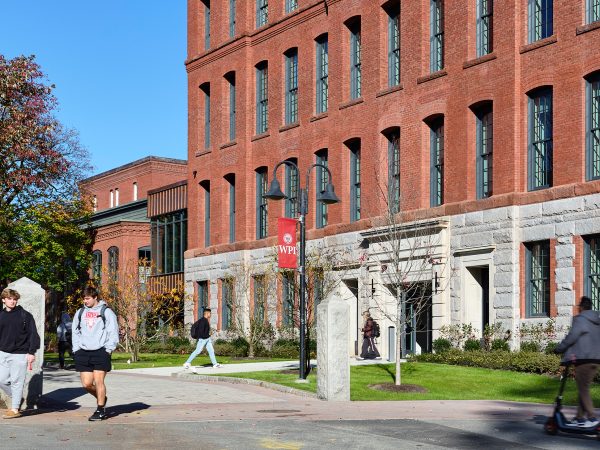
Originally built in 1894, Stratton Hall stands as a historic 24,000 sq. ft. building housing WPI’s esteemed math department and multiple classrooms. In response to extensive deferred maintenance issues, this renovation project aimed to revitalize the structure, focusing on windows, MEP systems, and overall finishes. Accessibility enhancements, life safety improvements, and the complete integration of modern facilities were key components of this ambitious endeavor.

This comprehensive renovation not only restores the historic charm of Stratton Hall but also ensures that it stands as a modern, energy-efficient, and accessible hub for WPI’s math department, fostering a conducive learning environment for generations to come. The strategic connection to the Laurie A. Leshin Global Project Center further strengthens campus integration and ensures compliance with ADA standards.

Project Highlights
  • An initial feasibility study paved the way for an efficient preconstruction phase and multiple early release packages expedited the project timeline.
  • A complete gut renovation of a 130-year-old, four-story masonry and wood timber building, with removal of existing masonry penthouse structure and roof infill. Structural modifications to the roof structure to support new rooftop mechanical equipment necessitate extensive shoring.
  • Inclusion of a new five-story addition/connector with a roof penthouse and connection to the Laurie A. Leshin Global Project Center at two levels.
  • Implementation of new high-efficiency HVAC and lighting systems, removal and replacement of 127 exterior windows, and comprehensive roofing system removal and replacement.
  • Selective brick and brownstone repair/replacement and cleaning of the entire masonry facade and new utility services, landscaping, hardscape, and handicap ramp for improved site aesthetics and functionality.
  • Mechanical, electrical, and plumbing (MEP) tie-ins to adjacent Powerhouse and Leshin Global Project Center buildings along with fire protection and fire alarm system upgrades.
Hamilton College Burke Library Renovation
Rings Overlay Rings Overlay
Scroll

A Refreshed Space for Collaboration and Creativity

This interior library renovation on the first floor includes a new dedicated makerspace, called the TECH Lab, which has areas for virtual/augmented reality and 3D design and printing. Four soundproof production booths provide acoustical isolation for vocal recording sessions. A new permanent classroom for Library and Information Technology (LITS) instruction and new offices for its library staff. A movable glass partition is installed in the All-night Reading Room. Two digital kiosks highlighting collections, programs, and services at the entrances to the library. LED lighting is installed for better energy conservation. There’s a modified bathroom to increase accessibility. Upgraded finishes in the library include new furniture, carpet, ceilings, and help desks. Upgrades to critical electrical infrastructure and emergency power are also a part of the project.

DOC is familiar with working in an occupied setting on the Hamilton campus having recently completed several construction projects. The original 80,000-square-foot library was built by DOC. The Brutalist style building was designed by architect Hugh Stubbins and the construction was completed in 1972.

Project Highlights
  • Fast Track Schedule: The majority of the construction work was conducted during the summer break to take advantage of a time when most students and faculty are away.
  • Logistically Complex Site: The project site, situated in the heart of the campus, presented logistical complexities.
  • Effective Coordination and Collaboration: The success of the project is attributed to a high level of coordination and collaboration among the project team, designers, and subcontractors
  • Coordination with adjacent construction: The DOC team prioritized seamless execution, minimizing disruptions to college students, faculty, and staff, even as other construction work unfolded elsewhere on campus.
Campus Energy Conversion Phase I
Rings Overlay Rings Overlay
Scroll

College’s Green Revolution: Phase One of Geothermal Heat-Exchange System Replacement for Sustainable Future

This is the first phase of a multi-year project to replace a 100-year-old fossil fuel-powered steam heating system with a new geothermal heat-exchange system powered by clean electricity. This system will help the college reduce its greenhouse gas emissions by 80%.

In the first phase, DOC will connect multiple buildings on campus to the new distribution system. This work includes demolition, excavation, installation of new piping, backfilling of excavation areas, concrete pads, and repaving roads.

Project Highlights
  • Coordination with existing below grade infrastructure: The first phase of work connected multiple buildings on campus, including Shattuck, Cleveland, Carr, Kendade, Safford, and Skinner halls, to the new underground distribution system.
  • Coordination with adjacent construction: Working across multiple campus buildings, and below grade between buildings, required the DOC team to actively coordinate with other work happening on campus. The team kept open communication with the college’s Facilities Management Planning & Construction group to ensure that the project work did not interfere with any other construction activities.