North District WWTP Disinfection Facility Improvements
Rings Overlay Rings Overlay
Scroll

Advanced Plant with Cutting-Edge Technologies and Infrastructure Enhancements Shape a Future of Quality and Efficiency

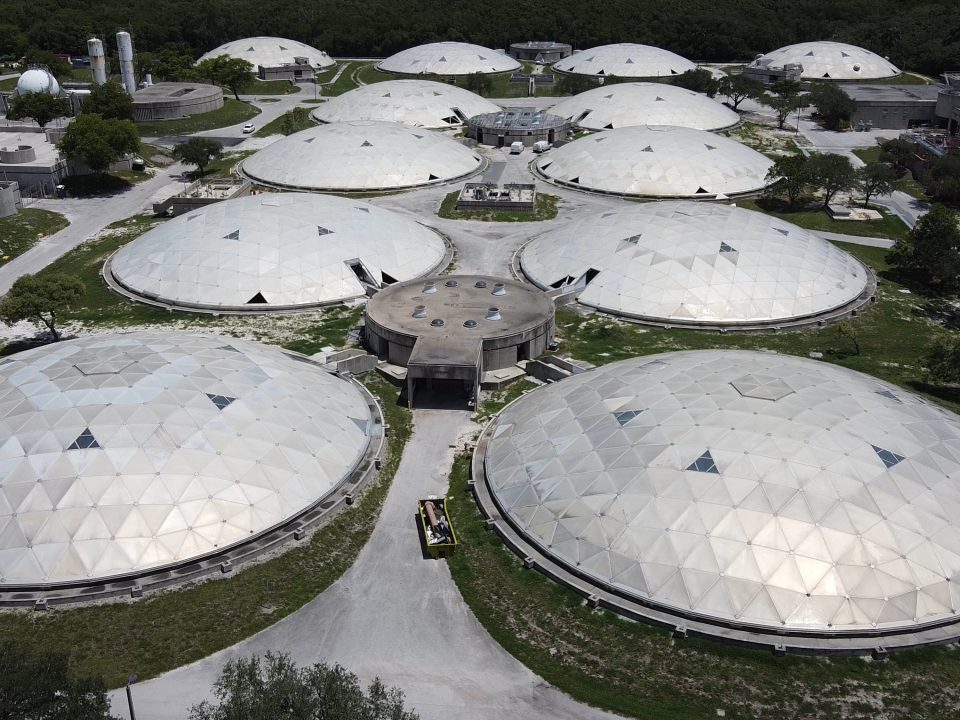
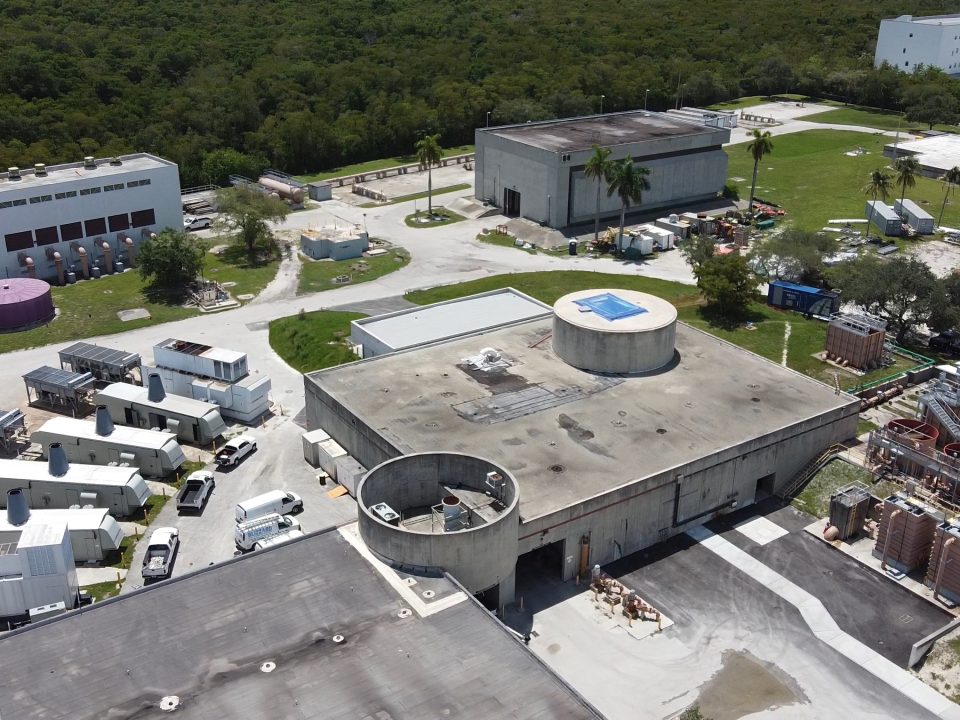
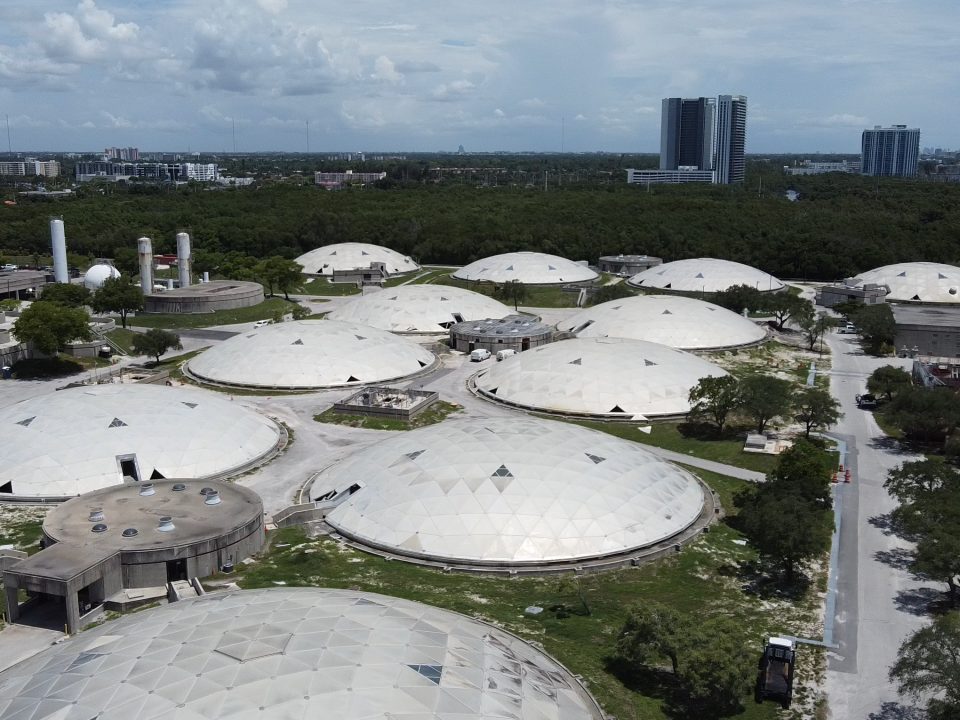
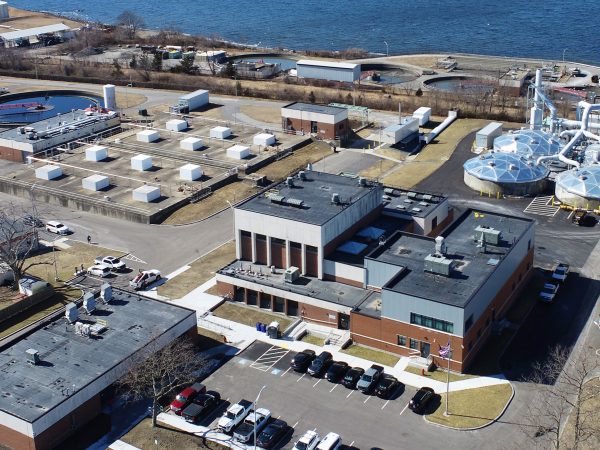
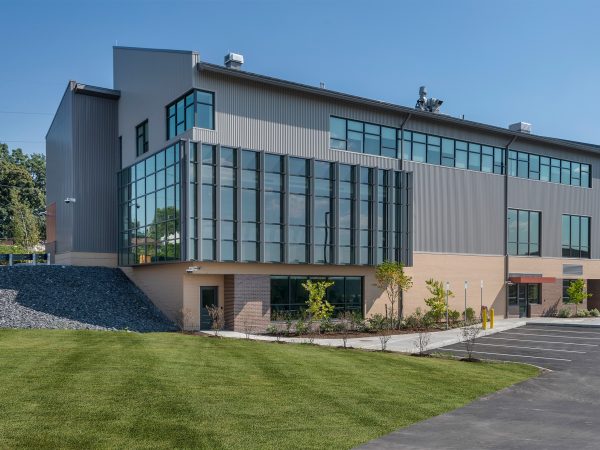
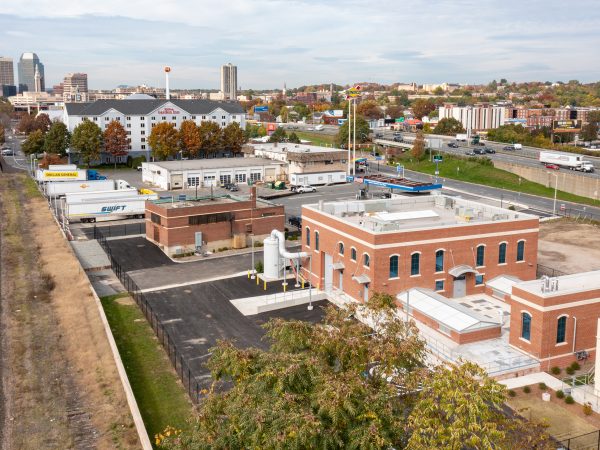
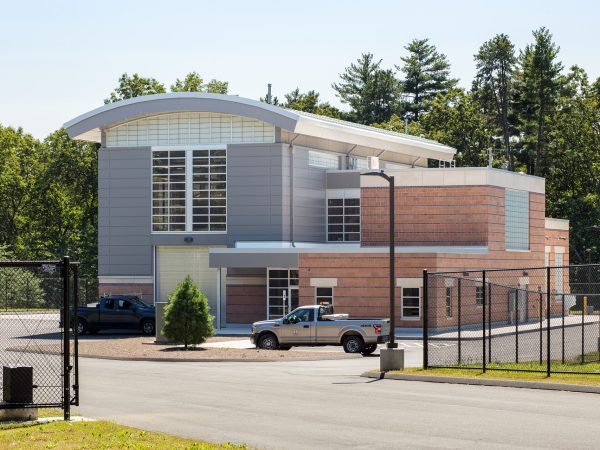
This $12 million+ project results in a newly constructed 2,600 GPM water treatment plant, including four GAC contactors, three chemical storage and feed facilities, two offices, a laboratory, restrooms, and more. It also involved associated HVAC, MEP, site piping, and site work. Additionally, it comprised pump upgrades in two existing well houses.

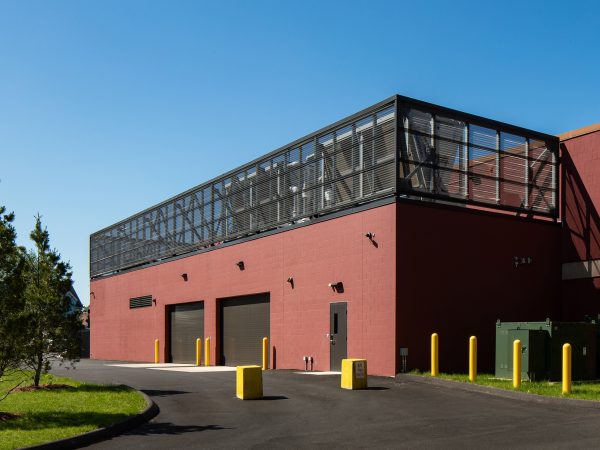
DOC modified the interiors of the on-site chlorine building to make room for the bulk storage tanks and metering equipment as well as constructing a new electrical room. The new electrical room will have a new concrete structure connected to the existing chlorine building. The project also includes the new chemical conveyance yard piping within pre-cast chemical trenches and vaults. Control of this system will be provided through RTU Control Panels and will be connected to and monitored by the Owner’s SCADA system.

Project Highlights
  • Enabling Work: Demolition of existing electrical equipment, existing facilities and existing chlorine tanks
  • HazMat Abatement: Asbestos abatement at the existing roof at Disinfection Building before DOC replaced the roof
  • Self-Perform Work: Piping, Concrete, Carpentry
Matthew Sturm

Project Contact

Brightwood-Lincoln Elementary School
Rings Overlay Rings Overlay
Scroll

Innovative Consolidation: Springfield’s New Elementary School Unites Learning and Community

DOC provided preconstruction and construction management services to the City of Springfield for the new 150,500-square-foot K-5 elementary school. The project consolidates two existing schools into a single building with each school occupying one wing of the building and sharing the center common area, including a gymnasium, cafetorium and media center. The new school can accommodate 800 K-5 students and 120 Pre-K students.

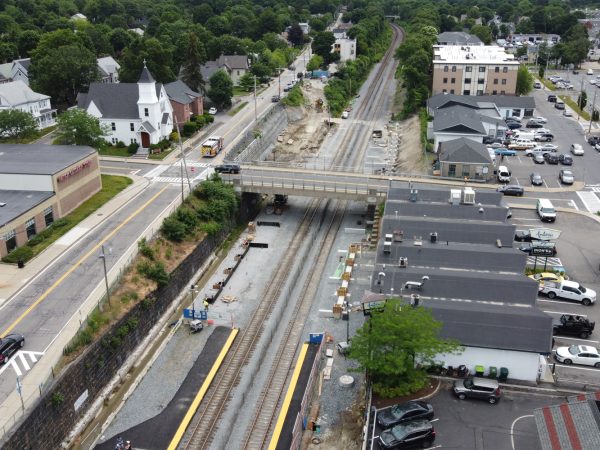
Located on Plainfield Street adjacent to the Chestnut Accelerated Middle School, the 10-acre site is adjacent to active train tracks on the east, residential housing to the west, and a separate MassDOT construction project built by DOC—the North End Pedestrian Underpass—on the south. This adjacent project created a pedestrian tunnel to allow the surrounding residents to safely get from Plainfield Street to Bernie Avenue without being exposed to train traffic.

The Brightwood-Lincoln School project scope included access roads around the building for bus and parent drop-off and pick-up, ample parking lots, playgrounds for each school and a large soccer field that could be shared by the community.

The building is a three-story structure with multiple types of exterior veneer masonry, metal panels, windows and glass curtain wall. The interior includes classrooms, offices, a gymnasium, cafeteria with a stage (also known as a cafetorium), a media center, and mechanical and electrical spaces. There are two elevators and four stairwells.

Project Highlights
  • New construction, consolidation of two existing schools into one, with common areas
  • Logistically complex site located in a dense urban area, bordered by heavily traveled sidewalks and roadways.
  • Successful collaboration with the City of Springfield, MSBA, and local agencies
  • Logistical considerations for an active school setting: parking, increased traffic for material deliveries, and pedestrian routes
Interim Behavioral Health Unit Renovations
Rings Overlay Rings Overlay
Scroll

Constructing Advanced Cardiac and Behavioral Units While Maintaining Active Medical Operations

This project involved the fast-track renovation of existing administration space into a 2,425-square-foot cardiac testing unit and the conversion of the existing cardiac testing area into a 16-bed adult and 18-bed geriatric behavioral unit.

The interior work included abatement, selective demolition, new walls, finishes, and MEP installation. Exterior work included the creation of two outdoor spaces which included 1 new adult behavioral patio area/enclosure and 1 new geriatric behavioral patio area/enclosure.

The work was completed in 5.5 months within an active hospital setting. To keep the construction activities isolated from the active areas, we installed temporary wall structures, zip walls and negative air machines. Shiftwork was done when the demolition work was judged to be too loud for the adjacent occupied areas.

Project Highlights
  • Work was completed on a fast-track schedule within an active hospital setting
  • Extensive investigative work by DOC’s in-house MEP staff to determine existing conditions
  • Several mitigation measures were put in place to adhere to Holyoke Medical Center’s Infection Control Risk Assessment (ICRA) plan
Husky Athletic Village and Rizza Performance Center
Rings Overlay Rings Overlay
Scroll

Worth the Wait: Long Desired, the UConn Storrs Campus Has an Impressive New Home for Student Athletes, Coaches and Sports Fans of All Ages

DOC provided preconstruction and construction management services for a new athletic stadia complex to replace existing outdated facilities and provide a home for UConn’s team of Division I baseball, soccer, lacrosse and softball programs. The complex includes a new throw facility (discus, hammer, shot put, javelin), a 4,212-seat competition soccer/lacrosse stadium and recreational field, 1,363-seat competition baseball stadium and 528-seat competition softball stadium.

The baseball field is nestled against a forested backdrop, and integrates seamlessly into the surrounding landscape by using the rugged, sloped features to enhance the sport playing and watching experience.

For example, fellow students and alumni, friends, families and the community can choose between flexible seating options such as bleachers, seating berms, and lush hillside that meets a constructed retaining wall forming right field to view games.

Also included was the 75,000 sf Rizza Family Performance Center with press boxes featuring radio and TV booths, team locker rooms, training room, strength and conditioning room, indoor batting cages, public restrooms, public concessions, press boxes, coaching offices, meeting rooms, film, room, coach/referee lockers and support/mechanical spaces.

Infrastructure upgrades were made to support the athletic stadia on two major roadways on campus: Alumni Drive and Jim Calhoun Way. The work included replacing, re-routing, and increasing capacity of existing utilities as well as providing the new utilities necessary, including potable water, storm water, sanitary, power and emergency power, natural gas, tel/data, and fire protection.

Extensive planning and communication was needed for the required shutdowns, detours, and revised traffic patterns with the campus. Other utility scope work included site restoration, streetscape improvements and landscape improvements.

The electrical upgrades were particularly challenging as they tied into the main campus loop. As the shutdowns affected many buildings outside the project area, careful coordination with UConn Facilities, UConn Athletics, Eversource, and BVH Integrated Services was required.

Project Highlights
  • New construction, including a 75,000 sf performance building.
  • Program spaces designed for athletes, including team locker rooms, training rooms, strength and conditioning room, etc.
  • Construction of program elements designed for public use, including seating, restrooms and concession.
  • Logistical considerations for an active campus setting (parking, increased traffic for material deliveries and pedestrian routes).
  • During preconstruction, the team worked to ensure the specifications were based on what was required by the whole sports program.
S-333N Canal Gate Structure
Rings Overlay Rings Overlay
Scroll

Advanced Two-Gate Spillway Project Enhances Water Flow, Preserves Ecosystems, and Supports Everglades Restoration for a Sustainable Future

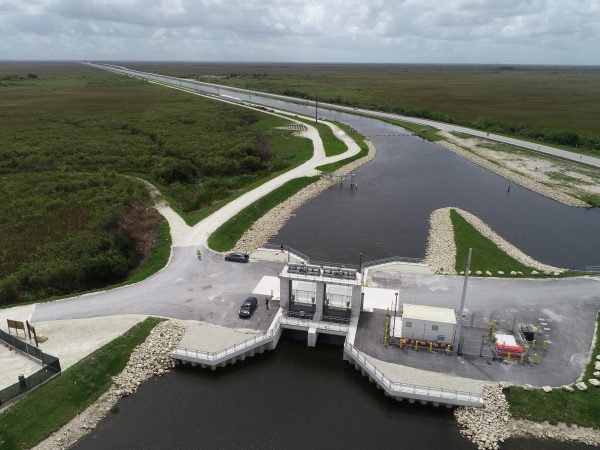
This project was the construction a fully automated, electrically operated two-gate spillway with design capacity of 1,150 cfs, providing additional operational flexibility and conveyance of flows to Everglades National Park (ENP) as a part of the Comprehensive Everglades Restoration Plan.

Being able to move more water south helps protect the surrounding wetlands, while providing relief to Lake Okeechobee.

The work involved construction of the new spillway with associated canal excavation, levee construction and stabilization, and a new air boat ramp, sidewalks, pavement, control building with instrumentation, motor operators, telemetry, site lighting, underground propane tank, and electric service conduit with associated horizontal directional drill under the L-29 canal.

A new water quality monitoring station was also installed.

Project Highlights
  • New concrete two (2) gate spillway structure
  • Canal excavation
  • Levee construction and stabilization
  • New air boat ramp
  • New control building with instrumentation, motor operators, telemetry
  • Site lighting, sidewalks and pavement
List Art Center Renovation
Rings Overlay Rings Overlay
Scroll

Transformative Renovation of 1960s Building Showcases Modern Learning Environments

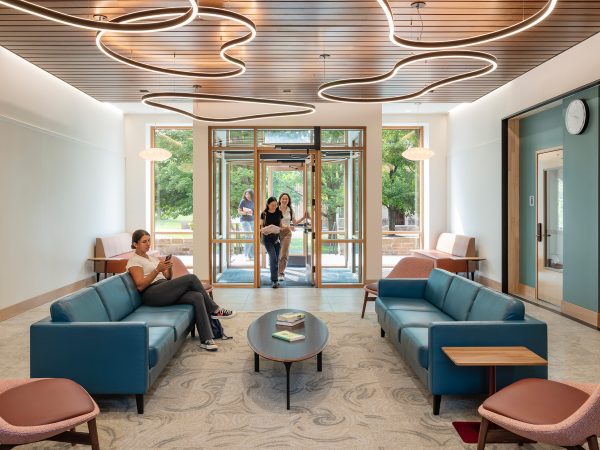
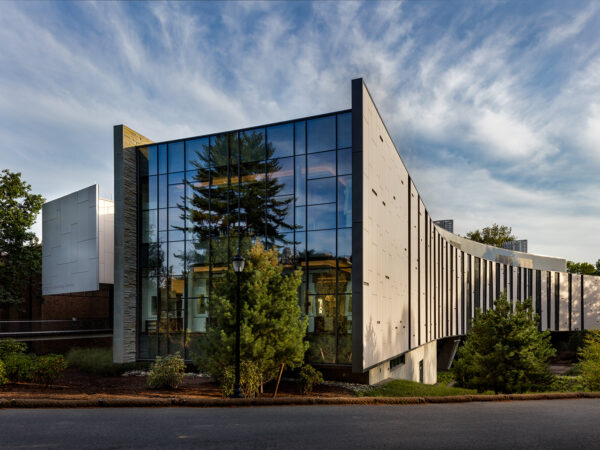
Hamilton College has completed several construction projects on campus over the past few years, with the goal of repurposing, renovating, and preserving campus buildings. The List Art Center, located on the south campus and part of the original Kirkland College campus, was repurposed to create a new home for the Literature and Creative Writing department.

Since the opening of the Kennedy Center for Theatre and Studio Arts in 2014, the List Art Center remained mostly vacant. The existing building, constructed in 1969, is a 34,900-square-foot, two-story, reinforced concrete structure, with waffle slab floor construction. DOC served as construction manager to refresh and modernize the facility through the renovation of approximately 13,500 square feet. The scope of work included additions at building entrances, new skylights and window replacements, building envelope remediation, new sprinkler system, reroofing, asbestos abatement, interior demolition and renovations, including MEP upgrades and site improvements and landscaping.

The new interior creates an open, airy, bright building, restoring the original design intent, with a mix of shared and private spaces. Old studios were turned into classrooms and a small library and kitchen were added.

Project Highlights
  • Virtual Design & Construction (VDC): DOC laser scanned the existing structure with our Leica BLK 360 scanner and Recap Pro. The VDC team used the data generated from this exercise to adjust the design Revit model to match actual conditions.
  • Lean Construction Methods: Throughout the project, DOC implemented pull planning sessions with subcontractors to ensure compliance with the schedule milestones.
  • DOC installed three panels of architectural precast concrete at the building’s front entrance. Despite challenging coordination conditions, our collaborative process ensured successful installation.
Logan Airport Runway 9-27 Rehabilitation
Rings Overlay Rings Overlay
Scroll

Transformation of Vital Runway and Infrastructure at a Leading US Airport

Logan International Airport is one of the busiest airports in the US. One of its major runways—Runway 9-27 which typically handles 30%-50% of the airport’s departures—was in need of major rehabilitation. DOC led the work which included milling and paving, shifting and realignment of taxiways D-1 and D-2, drainage improvements, and installation of new LED edge and centerline lights.

Site work included pavement milling and removal, earthwork (excavation and embankment), hot mix asphalt paving, crack repairs, conduit, light base and light fixture installation, in-pavement and elevated light adjustments, top soiling and seeding, runway grooving, pavement markings and airfield guidance sign modifications.

Project Highlights
  • BIM Utilization: The team used 3D modeling to calculate milling and excavation quantities, comparing surface data gathered by the field engineers to the existing surface data from the design team
James J. McCann Fitness Center Addition and Renovations
Rings Overlay Rings Overlay
Scroll

Revitalizing Campus Recreation: Transformative Expansion and Renovation Showcases Efficient Coordination, Innovative Solutions, and Substantial Savings

This project included the demolition of 20,000 square feet of the current weight room and gym and expanding it toward the parking area and river. The structure was built on drilled micro piles. The existing McCann Fitness Center which includes a field house, a natatorium, a 2,200-square-foot dance studio, locker rooms, Hall of Fame multimedia meeting room and is host to their Division I basketball program remained occupied while the new construction was ongoing.

The new 67,000-square-foot addition houses two wooden-floor basketball courts and a multipurpose rooms intended for dance and exercises classes, special courses, and intramural sports. There is both a varsity weight room and a fitness center, along with a café, pro shop, locker rooms and support space for the recreational purposes of the campus. An elevated indoor track circles the area above the courts.

Part of the McCann project was a full renovation of one of the major parking areas on the campus. The work needed to be completed within a very specific window of time outside of the typical construction sequence and included half-lot phased turnovers. DOC worked closely with the school to communicate schedules and turnovers, as well as develop full pedestrian/traffic control plans for students and faculty that would allow the work to be performed safely.

Project Highlights
  • DOC provided preconstruction and construction services
  • BIM was used to coordinate the precast panel connections with the primary steel structure. Various connection types were modeled based on the subcontractor’s shop drawings. This allowed multiple problem areas to be identified and addressed ahead of the precast panels arriving on site – saving time and money.
  • Cost-Saving Design Change: Re-evaluated subsurface conditions during mini pile drilling led to re-designing building foundation for spread footings on rock instead of mini piles, resulting in project cost savings; protection plans ensured progress on exterior finishes with minimal disruption
  • Project success attributed to a high level of coordination and team collaboration
585 Commercial Street, Eliot Innovation School Renovation
Rings Overlay Rings Overlay
Scroll

A former office space in Boston’s North End finds a new purpose as an innovative elementary school for nearly 300 students

This project involved the renovation of the existing, three-story concrete former office building for use as an elementary school to serve 280 students in grades 3 through 8. The renovated building features state-of-the-art classrooms, collaborative learning spaces, and improved accessibility.

All the interior partitions, MEP ductwork, piping and conduits, the main entry tower, two elevator shafts and stair towers were demolished. There was also selective demolition of the existing concrete slabs to accommodate new ductwork shafts, and foundation and structural steel.

On the exterior, the windows and facade were demolished. To restore the foundation, one of the steps included installing 34 drilled mini-piles around the building on both the interior and exterior. New interior steel was installed to support new ductwork shafts, as well as new entry tower and elevator shafts and 8 projection bays. The roof was replaced, new roof top units, and metal panel exterior cladding installed.

Sustainable features include a new reflective roof, metal rain screen, a storm water retention system and discharge, LED lighting with daylight sensors and occupancy sensors, low-flow plumbing fixtures, high-efficiency boilers and new windows that will maximize sunlight.

The project was located in a high profile location in a densely populated North End neighborhood. Noise, dust control, pedestrian safety, and cleanliness were all closely monitored and maintained to keep the job site safe and organized.

Thanks to the team’s conscientiousness, during the two-year project, there were no complaints from local residents involving issues resulting from the construction work.

Project Features
  • Former office building repurposed into an elementary school.
  • Complex renovation project located on an urban site.
  • BIM was used extensively during the preconstruction to plan and coordinate the project, and during the construction phase as part of coordination and schedule management.
  • Site Logistics: project located in the dense North End of Boston directly next to the Boston Harbor, surrounding neighborhoods and local businesses. Noise, dust control, pedestrian safety, and cleanliness were all closely monitored and maintained to keep the job Site safe and organized.
Michael S. Van Leesten Memorial Bridge
Rings Overlay Rings Overlay
Scroll

More than Point A to Point B: Joining urban and ecological spaces to connect the community

The new Michael S. Van Leesten Memorial Pedestrian Bridge, built upon original granite piers from the relocated I-95 and I-195 interchange, connects downtown Providence with the College Hill and Fox Point neighborhoods, becoming a singular public space for all those using the bridge.

The scope of work included extensive fabrication and construction of complex architectural elements. The 400 ft long by 25 ft wide pedestrian bridge includes cast-in-place wingwalls, abutment stems and pier pedestals, bridge decks, straight and curved steel plate girders and rolled sections, fabricated architectural steel bridge piers, timber framing, timber piles, micro piles, IPE timber decks, architectural rail systems, architectural rail systems, architectural WANA timber-steel framed fascia panels, architectural masonry, and extensive architectural lighting.

Boasting wooden benches, illuminated tables, built-in chessboards, and stainless steel railings, the design of the bridge offers many avenues to encourage community connection and social engagement among city residents.
The pedestrian bridge has architectural beauty for sure, but its quiet power lies in serving as a community gathering place, offering performances, moments of quiet introspection, and an unparalleled view of the Providence skyline.

Project Highlights
  • Bridge features include wooden benches, illuminated tables, built-in chessboards, and stainless steel railings.
  • Ipe—a South American hardwood—was used for the bridge’s decking which is ideal for a high-traffic public environment.
  • The bridge is wrapped in 250 modular panels made of Wana, a wood commonly used in boat building. The panels accommodate the long-term maintenance and access to the steel structure of the bridge.